Functional Kitchen Corner Storage Ideas Maximizing Unused Spaces
The kitchen is often described as the heart of the home, serving as a hub for meal preparation, family gatherings, and daily organization. However, maintaining efficiency in this high-traffic space requires meticulous spatial planning. One of the most persistent challenges in kitchen design is managing the blind corners created by intersecting rows of cabinetry. These awkward spatial junctions frequently become black holes where small appliances, cookware, and pantry items disappear from view, rendering valuable square footage completely inaccessible.
Leaving kitchen corners unoptimized creates significant spatial deficits, especially in compact or medium-sized floor plans. Fortunately, modern kitchen engineering and creative interior architecture have yielded sophisticated hardware and layout strategies designed to reclaim these dead zones. By shifting from traditional, static shelving to dynamic, accessible storage solutions, you can maximize your available footprint, improve daily ergonomics, and streamline your cooking workflow.
Dynamic Lower Cabinet Hardware Solutions
Standard lower cabinet corners are notoriously deep and dark, forcing homeowners to bend down and reach into awkward recesses to retrieve items. Installing specialized mechanical hardware transforms these problematic zones into highly functional storage centers.
The Evolution of the Lazy Susan
The traditional Lazy Susan remains a classic option for corner organization, but its design has evolved considerably beyond basic plastic turntables. Modern variants feature robust construction materials, including solid wood, brushed stainless steel, and heavy-duty wire mesh.
-
Pie-Cut and Kidney-Shaped Systems: Rather than sitting completely behind a standard door, pie-cut and kidney-shaped Lazy Susans are attached directly to a folding corner door mechanism. When you open the cabinet, the door glides away smoothly, and the entire carousel rotates out toward you. This provides instant, three hundred and sixty-degree access to nesting mixing bowls, baking supplies, or dry goods.
-
Central Post Elimination: High-end modern variations utilize independent spinning trays mounted directly to the cabinet sidewalls. This eliminates the traditional center support pole, instantly freeing up vertical clearance for tall stockpots and bulky slow cookers.
The Ingenuity of the Blind Corner Pull-Out
For layouts where a standard revolving carousel cannot fit due to plumbing or structural constraints, blind corner pull-out systems, often called Magic Corners, offer an exceptional alternative.
-
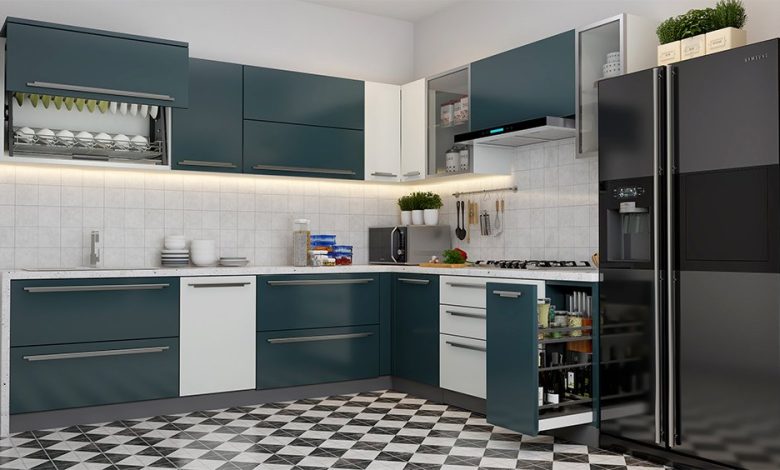
Articulated Tracks: These systems utilize an articulated tracking mechanism attached to the cabinet door. When the door is pulled open, the first set of storage baskets slides forward completely out of the cabinet while simultaneously drawing a secondary set of hidden baskets out from the deep corner cavity into the light.
-
Linear Efficiency: This linear movement ensures that no space is wasted in the back of the cabinet. It is ideal for organizing heavy items like cast-iron skillets, blender bases, and food processors, as the heavy-duty glides can support substantial weight thresholds without binding.
Kidney-Shaped Pull-Out Shelves
Often recognized by popular proprietary designs like the LeMans style pull-out, these shelves feature fluid, organic shapes that curve out of the cabinet completely independently of one another. Each shelf can be pulled forward individually, swiveling clear of the cabinet frame and the adjacent oven or dishwasher doors. The non-slip surface coatings and protective railings ensure that pots, pans, and ceramic dishware remain perfectly stable during transit.
Architectural Cabinet Intersections
Rather than relying entirely on aftermarket hardware inserts, homeowners can choose to alter the structural layout of the cabinetry itself during a remodel to eliminate the blind corner problem permanently.
Corner Drawer Systems
A highly sophisticated architectural solution is the installation of custom corner drawers. These drawers feature a distinct chevron or V-shaped front panel that integrates seamlessly with the surrounding cabinet faces when closed.
-
Full-Extension Capability: When pulled open, these drawers extend diagonally into the kitchen floor space on heavy-duty, full-extension slides.
-
Ergonomic Organization: This design allows you to view the entire contents of the drawer from above without kneeling. They can be customized with internal dividers to organize flatware, cooking utensils, spices, or small linens, bringing supreme functionality to an otherwise dead zone.
Diagonal Corner Cabinets
Replacing a sharp ninety-degree corner intersection with a diagonal cabinet set at a forty-five-degree angle completely alters the spatial dynamic of the kitchen. A diagonal front flattens out the corner, creating a wider door opening that accommodates standard pull-out trays or larger cookware items easily. This configuration works exceptionally well for housing large recycling bins, trash sorting systems, or bulky water filtration units that require straightforward access.
Optimizing Upper Corner Wall Space
While lower cabinets bear the brunt of heavy cookware storage, maximizing the upper wall corners is equally crucial for maintaining an airy, organized kitchen environment.
Open Corner Shelving Profiles
Traditional upper corner cabinets can look bulky and visually compress a small kitchen, creating dark shadows over the countertops below. Replacing these closed units with floating open shelves that wrap continuously around the ninety-degree corner is an excellent styling and functional upgrade.
-
Visual Expansion: Eliminating cabinet doors opens up the sightlines of the room, making the kitchen feel substantially larger and brighter.
-
Daily Item Accessibility: Wrap-around corner shelves are perfect for storing high-frequency items like everyday coffee mugs, dinner plates, cookbooks, or decorative clear glass jars filled with dry grains and pasta.
The Corner Appliance Garage
For homeowners who prefer a clean, minimalist countertop aesthetic, the upper corner space directly above the lower countertop can be transformed into a functional appliance garage.
-
Tambour Door Mechanics: By extending the upper cabinet structure down to meet the countertop surface and installing a rolling tambour door or a lift-up pocket door, you create a dedicated hidden station.
-
Power Integration: Installing electrical outlets inside this corner garage allows you to keep the toaster, espresso machine, and stand mixer plugged in and ready for use while keeping them completely out of sight when meal preparation is complete.
Creative Workspace and Appliance Integration
Sometimes the best storage strategy for a kitchen corner is to repurpose the zone entirely, turning a static storage deficit into an active, functional workspace.
Corner Sink or Range Placement
Shifting a primary work fixture into the corner can dramatically optimize the flow of a galley or L-shaped kitchen. Installing a deep undermount sink or a modern slide-in range at a forty-five-degree angle across a corner frees up long, continuous stretches of countertop space along the main walls for food preparation. The deep cavity behind a corner sink or range easily accommodates complex plumbing lines, gas connections, or heavy-duty ventilation ductwork that would otherwise consume valuable cabinet space elsewhere.
Built-In Corner Pantry Closets
In larger kitchen layouts, constructing a floor-to-ceiling walk-in or step-in pantry directly in the corner is an incredibly efficient use of space. By framing out a diagonal wall and installing a standard pantry door, you create a centralized hub for food storage. The interior can be lined with shallow, u-shaped shelves, ensuring that all canned goods, spices, and boxed dry foods remain clearly visible and within arm’s reach, completely eliminating the deep cabinet black hole phenomenon.
Frequently Asked Questions
Will installing an advanced blind corner pull-out system reduce the total weight capacity of my cabinet?
Modern commercial blind corner pull-out systems are engineered with heavy-gauge steel tracking and robust ball-bearing glides, meaning they do not severely limit weight capacity. High-quality systems can easily support between thirty and forty pounds per basket. However, it is essential to ensure that the tracking framework is anchored securely to the cabinet floor and sidewalls using cabinet-grade screws to prevent the cabinet structure from warping under heavy loads over time.
How can I utilize a deep kitchen corner if I am on a strict budget and cannot afford expensive hardware retrofits?
If custom mechanical pull-outs are out of reach, you can implement manual organization strategies. Utilize deep, clear plastic storage bins with integrated handles that match the depth of your cabinet shelf. Group low-use items, such as seasonal holiday platters or specific baking molds, into these bins and label them clearly. When you need an item, you simply pull the entire bin out like a drawer, preventing individual loose items from getting lost in the far recesses of the corner.
Can corner drawers be retrofitted into existing kitchen cabinets during a minor refresh?
Retrofitting true corner drawers into existing standard cabinetry is incredibly difficult and rarely cost-effective. Corner drawers require specialized cabinet box construction, precise diagonal drawer tracks, and a custom face panel configuration that standard ninety-degree cabinet boxes cannot accommodate. For an existing kitchen, it is far easier and more economical to remove the old door and install aftermarket kidney-shaped swivel shelves or a pull-out tracking system designed for standard blind corner openings.
Is open corner shelving practical in a kitchen due to grease and dust accumulation?
Open corner shelving is highly practical if you store items that are used and washed on a daily or weekly basis, such as dinner plates or coffee cups, as this prevents dust from settling long-term. To minimize grease buildup on your open shelves, ensure your kitchen is equipped with a high-cfm range hood that vents directly to the exterior of the home, and run the fan every time you cook to capture airborne oils before they can settle on open surfaces.
What is the minimum cabinet door opening width required to install a LeMans or Magic Corner pull-out system?
Most heavy-duty mechanical blind corner pull-out systems require a minimum clear door opening width of fifteen to eighteen inches to function properly without binding against the cabinet frame or scratching the door finish. It is vital to measure the exact clear opening distance, accounting for protruding cabinet hinges and decorative door handles, before purchasing any aftermarket mechanical insert.
How do I prevent items from falling off the back of a Lazy Susan carousel into the dead space of the cabinet?
To prevent small spice jars or canned goods from flying off the spinning tray, select a Lazy Susan system that features raised outer rims, typically two to three inches high, made of solid wood or metal wire. Additionally, you can utilize specialized wedge-shaped storage clear bins designed explicitly to sit on pie-shaped carousels, which keeps loose items securely corralled during rotation.