What Causes Water Heater Failures and How to Prevent Them
A sudden cold shower is often the first sign that something has gone wrong with your water heater. For many homeowners, it feels like an unexpected inconvenience—but in reality, water heater failures rarely happen overnight. They are usually the result of small, overlooked issues that build up over time. Understanding what causes these problems can help you avoid costly breakdowns and ensure your system runs efficiently for years.
In today’s homes, water heaters work harder than ever due to increased daily usage. From showers and laundry to dishwashing, the demand is constant. Without proper care, even a high-quality system can fail prematurely. Knowing when to act—and when to seek professional water heater repair—can make all the difference.
Common Causes of Water Heater Failures
Water heaters are complex systems, and several factors can contribute to their failure. One of the most common causes is sediment buildup. Over time, minerals from hard water settle at the bottom of the tank, forming a thick layer. This sediment reduces efficiency, forces the heater to work harder, and can eventually lead to overheating or tank damage.
Another major issue is corrosion. Inside the tank, metal components are constantly exposed to water, which can lead to rust. Most water heaters are equipped with an anode rod designed to attract corrosive elements, but once this rod wears out, the tank itself becomes vulnerable.
Faulty heating elements or burners also play a role in system failure. In electric models, heating elements can burn out, while gas heaters may experience issues with the burner or pilot light. These problems often result in inconsistent water temperatures or a complete loss of hot water.
Pressure buildup is another overlooked factor. If the temperature and pressure relief valve malfunctions, excessive pressure can accumulate inside the tank, increasing the risk of leaks or even tank rupture.
Signs Your Water Heater Is About to Fail
Recognising early warning signs can help you address issues before they escalate. One of the first indicators is inconsistent water temperature. If your water fluctuates between hot and cold, it may signal a failing heating element or sediment interference.
Strange noises such as popping or rumbling are also common. These sounds are often caused by hardened sediment shifting inside the tank as it heats up. Over time, this can damage the inner lining of the heater.
Discoloured or rusty water is another red flag. It may indicate corrosion inside the tank or deteriorating pipes. Additionally, visible leaks around the base of the unit should never be ignored, as they often point to internal damage that requires immediate attention.
If you notice any of these issues, it’s wise to consider professional water heater repair before the problem worsens.
How Lack of Maintenance Leads to Failure
One of the biggest reasons water heaters fail is simple neglect. Many homeowners install a system and forget about it until something goes wrong. However, like any appliance, water heaters require regular maintenance to function properly.
Without routine flushing, sediment continues to accumulate, reducing efficiency and increasing wear on components. Ignoring the anode rod allows corrosion to take hold, shortening the lifespan of the tank. Over time, these small issues compound, leading to major system failures that could have been avoided with basic upkeep.
Regular inspections also help identify minor problems early. A loose valve, a worn-out part, or a small leak can often be fixed quickly and affordably if caught in time.
Practical Ways to Prevent Water Heater Problems
Prevention is always more cost-effective than repair or replacement. Taking proactive steps can significantly extend the life of your water heater and improve its performance.
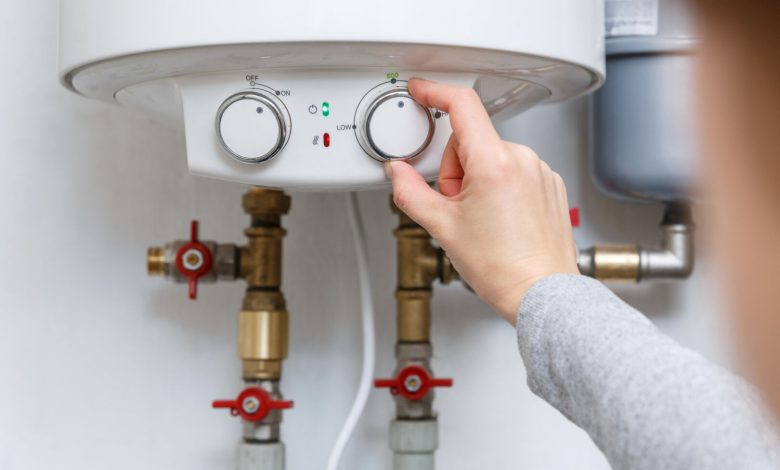
Flushing the tank annually helps remove sediment buildup and keeps the system running efficiently. Checking the anode rod every couple of years ensures that corrosion is kept under control. Adjusting the thermostat to a moderate temperature not only saves energy but also reduces stress on the system.
It is also important to monitor water pressure in your home. Excessive pressure can strain the tank and its components, increasing the risk of leaks or damage. Installing a pressure regulator can help maintain safe levels.
Professional servicing is another key factor. Scheduling periodic inspections with a qualified technician ensures that all parts are functioning correctly and that potential issues are addressed before they become serious.
Conclusion
Water heater failures are rarely sudden events. They are usually the result of gradual wear, poor maintenance, or overlooked warning signs. By understanding the common causes and taking proactive steps, you can avoid unexpected breakdowns and extend the life of your system.
Regular maintenance, timely inspections, and early intervention are essential. Paying attention to small changes in performance can save you from larger, more expensive problems down the line. Whether it’s addressing sediment buildup, replacing worn components, or seeking professional water heater repair, taking action early ensures consistent hot water and peace of mind.