HVAC Maintenance Before Each Season: What Should Be Checked?
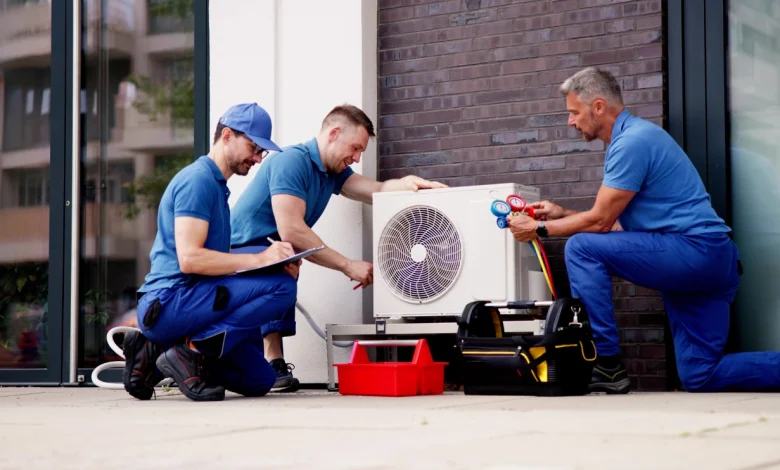
Seasonal HVAC maintenance helps keep heating and cooling equipment efficient, reliable, and ready for changing weather. A timely inspection can catch small problems before they become expensive repairs, improve airflow, and support consistent indoor comfort. Knowing what should be checked each season makes routine HVAC care more effective.
Introduction
Your HVAC system works hardest when outdoor temperatures become extreme, so waiting for a problem to appear can be costly. Scheduling seasonal HVAC maintenance in Milton before major weather changes gives your heating and cooling equipment a chance to operate efficiently when you need it most. Seasonal tune-ups can uncover worn components, airflow restrictions, electrical concerns, and other issues before they cause unexpected breakdowns. They also help maintain comfort, support better energy efficiency, and reduce unnecessary strain on the system. A simple seasonal maintenance routine can therefore protect both your comfort and your HVAC investment throughout the year.
What Should Be Checked Before Each Season?
Inspect and Clean Key Components
Every seasonal maintenance visit should begin with a thorough inspection of the system. Dirt and buildup can affect airflow and force equipment to work harder. A professional technician can inspect and clean important heating and cooling components while checking for signs of wear.
Filters should also be inspected and replaced when necessary. A clogged filter restricts airflow, reduces efficiency, and can affect indoor air quality. Keeping filters clean is one of the simplest steps homeowners can take between professional tune-ups.
Check Airflow and Duct Performance
Proper airflow is essential for consistent temperatures and efficient operation. During maintenance, airflow should be evaluated to identify restrictions that may make the system work harder.
Registers and vents should remain unobstructed, while accessible ductwork can be checked for problems that could contribute to energy loss. Good airflow allows conditioned air to circulate more effectively throughout the home.
Test the Thermostat
The thermostat controls when your HVAC system starts and stops, making its performance important for both comfort and efficiency. A maintenance visit should include checking thermostat operation and calibration.
If temperature readings seem inconsistent or the system cycles more frequently than expected, the thermostat may require attention. A properly functioning thermostat helps maintain more accurate temperature control.
Spring HVAC Maintenance: Prepare for Cooling
Spring is the ideal time to prepare your air conditioner for warmer weather. After months of limited use, the cooling system should be inspected, cleaned, and tested before summer demand increases.
Important checks can include:
- Inspecting and cleaning condenser coils
- Checking refrigerant levels
- Testing thermostat operation
- Inspecting fan motors and blades
- Checking condensate drain operation
- Testing electrical connections and safety controls
Outdoor equipment should also be kept clear of debris so it has adequate ventilation. Taking care of these details before hot weather arrives can reduce the likelihood of an inconvenient cooling failure.
Fall HVAC Maintenance: Prepare for Heating
Fall maintenance focuses on getting the heating system ready for colder weather. Furnaces and other heating equipment should be inspected and tested before they begin operating regularly.
A professional tune-up may include checking burners or heat exchangers, testing ignition and safety controls, inspecting filters, and evaluating motors and other moving components. Safety checks are especially important because heating equipment must operate correctly throughout the colder months.
Homeowners should also pay attention to unusual noises, inconsistent heating, or repeated cycling. These signs deserve professional attention rather than being ignored until winter.
Why Seasonal Tune-Ups Improve Efficiency
An HVAC system that is dirty, poorly adjusted, or struggling with restricted airflow may consume more energy than necessary. Regular maintenance addresses common performance issues before they place additional strain on the equipment.
Cleaning coils, maintaining proper refrigerant levels, checking electrical connections, and ensuring accurate thermostat operation can help the system deliver heating or cooling more efficiently. Routine attention can also reduce wear on components and support a longer equipment life.
Simple Steps Between Professional Visits
Professional maintenance should be complemented by basic homeowner care. Replace filters according to system requirements, keep vents clear, and make sure outdoor units are free from leaves and other debris.
It is also useful to monitor changes in system performance. Higher energy bills, unusual sounds, weak airflow, or inconsistent temperatures may indicate that the system needs attention. Addressing these warning signs early can help prevent larger problems.
FAQs
How often should HVAC maintenance be scheduled?
For many systems, two professional tune-ups per year are recommended: one for cooling in spring and another for heating in fall.
Is changing the HVAC filter part of seasonal maintenance?
Filter inspection and replacement are important parts of HVAC care. Filters should also be checked regularly between professional maintenance visits.
Why should refrigerant levels be checked?
Proper refrigerant levels are important for effective cooling. Low levels may indicate a leak or another system issue that requires professional attention.
What does fall HVAC maintenance focus on?
Fall service typically focuses on heating performance, including burners or heat exchangers, ignition, safety controls, filters, motors, and related components.
Can maintenance help reduce energy costs?
Yes. A clean, properly adjusted system with good airflow generally does not have to work as hard to maintain indoor temperatures, which can support more efficient operation.
Wrapping Up
HVAC maintenance should not be treated as a once-in-a-while task. Preparing your system before each major season gives you an opportunity to address small issues before they interfere with comfort or become expensive repairs. Spring maintenance should focus on preparing the air conditioner for cooling demand, while fall maintenance should ensure the heating system is clean, safe, and ready for colder weather. Checking filters, airflow, thermostat performance, electrical connections, refrigerant levels, drains, motors, and safety controls can make a meaningful difference in system performance. Professional seasonal HVAC maintenance in Milton can provide the detailed inspection and tune-up your equipment needs throughout the year. With consistent care and timely attention to warning signs, homeowners can support better efficiency, dependable operation, and comfortable indoor temperatures in every season.