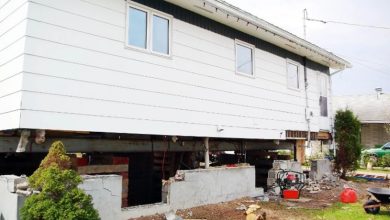
Foundation Repair Service: What Homeowners Should Expect From a Professional Repair Plan
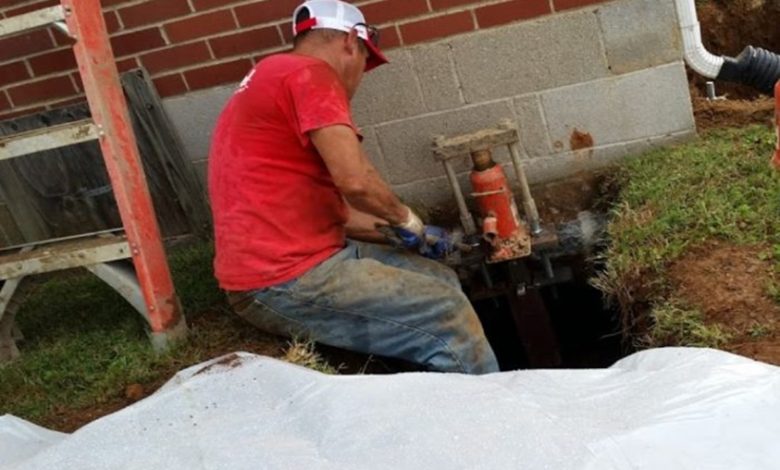
Foundation problems can leave homeowners uncertain about what needs to happen next. A crack may appear along a basement wall, floors may begin feeling uneven, or doors may suddenly become difficult to close. While these changes can be concerning, they do not always indicate the same underlying problem. Choosing a foundation repair service involves more than finding someone to fix visible damage. It requires understanding the condition of the property, evaluating possible causes, and developing a repair plan that addresses the specific concerns affecting the home.
Homeowners looking for professional assistance can visit website here to explore foundation-related services in Lee’s Summit. Whether the concern involves settlement, cracking, moisture intrusion, or another structural issue, knowing what to expect from the evaluation and repair process can help homeowners make informed decisions before committing to major work.
A Good Repair Plan Begins With an Evaluation
Before recommending repairs, a professional should gather information about the property’s condition.
This may involve examining accessible foundation walls, identifying visible cracks, reviewing areas of unevenness, and asking questions about when problems first appeared.
Homeowners can provide useful details about changes they have noticed over time.
For example, a crack that has remained unchanged for several years may require a different response from one that has recently expanded.
The evaluation should focus on understanding the problem rather than immediately recommending a particular repair method.
Understanding the Cause Is More Important Than Hiding the Symptoms
Visible foundation damage is sometimes the result of conditions developing beneath or around the structure.
Soil settlement, changing moisture levels, drainage problems, and structural loading can all influence foundation performance.
A crack may be a symptom rather than the original cause.
Covering it with a patch or sealant might improve its appearance without addressing ongoing movement.
A professional foundation repair service should consider the relationship between visible symptoms and possible contributing conditions before recommending corrective work.
When the cause remains uncertain or significant structural movement is suspected, additional evaluation by a licensed structural engineer may be appropriate.
Soil Conditions Influence Repair Decisions
The soil supporting a home plays an important role in how its foundation performs.
Some soils expand as they absorb moisture and shrink when they dry. Others may settle when improperly compacted or affected by changing ground conditions.
These differences can influence how a building responds over time.
In Missouri, seasonal weather changes and varying soil conditions can contribute to foundation-related concerns, although the effects depend on the specific property.
A repair method that works for one house may not be appropriate for another.
Understanding the underlying soil and structural conditions helps explain why professional recommendations should be based on the individual home.
Drainage Should Be Part of the Conversation
Water around a foundation can contribute to several maintenance concerns.
Overflowing gutters, poorly positioned downspouts, and ground surfaces that direct rainfall toward exterior walls may increase moisture exposure.
Homeowners should observe whether water collects near the house after storms or whether basement moisture repeatedly appears in the same locations.
The U.S. Environmental Protection Agency’s guidance on moisture control explains the importance of correcting unwanted moisture sources to help prevent building damage and related problems.
Although improving drainage does not resolve every structural condition, water management may be an important consideration when developing a comprehensive repair strategy.
Different Problems May Require Different Solutions
There is no single repair method suitable for every foundation concern.
Depending on the diagnosis, possible approaches may include structural stabilization, underpinning, crack repair, drainage improvements, or other specialized work.
Some methods address support beneath the foundation, while others focus on water intrusion or localized damage.
Homeowners should ask what the proposed repair is intended to accomplish.
Is the goal to stabilize movement, address a particular crack, improve drainage, or correct another identified condition?
Understanding the purpose of the work makes it easier to evaluate whether the proposed solution matches the problem.
Ask for a Clear Explanation of the Proposed Work
A repair proposal should be understandable to the homeowner.
Before hiring a foundation repair service, ask which areas of the property require attention and why.
The proposal should explain the recommended method, the general scope of work, and any conditions that could affect the project.
Homeowners should also understand what is excluded.
For example, structural repairs may not automatically include repainting walls, replacing damaged flooring, restoring landscaping, or completing unrelated plumbing work.
Clarifying these details before construction begins can help prevent unexpected expenses and misunderstandings.
Understand What Happens During Construction
Foundation work can involve activities that are unfamiliar to homeowners.
Depending on the repair method, contractors may need access to basement areas, crawl spaces, or portions of the exterior foundation.
Some projects may involve excavation, specialized equipment, or temporary disruption to nearby surfaces.
Before work begins, homeowners should ask how the property needs to be prepared.
Outdoor furniture, stored belongings, landscaping features, and other obstacles may need to be moved.
Understanding the anticipated schedule and access requirements can make the process easier to manage.
Discuss Permits and Professional Qualifications
Structural work may involve local requirements that homeowners should understand before construction starts.
Depending on the scope, permits or engineering documentation may be necessary.
Homeowners can ask whether the proposed work requires permits and who is responsible for obtaining them.
It is also reasonable to inquire about contractor qualifications, insurance, and experience with the recommended repair method.
When engineering services are needed, the responsibilities of the contractor and licensed structural engineer should be clearly distinguished.
These conversations help homeowners understand who will perform the work and how the project will be managed.
Know What a Repair Can Realistically Achieve
Homeowners sometimes expect foundation work to eliminate every visible imperfection in the house.
However, structural repairs do not always restore a building to its original position or appearance.
The primary objective of some repairs is stabilization rather than complete correction of existing settlement.
Cracks in drywall, uneven finishes, and other cosmetic conditions may require separate attention after structural work is completed.
A qualified professional should explain the expected outcome and any limitations associated with the recommended approach.
Realistic expectations are essential when evaluating repair proposals.
Compare More Than the Estimated Price
Cost is an important factor when selecting a contractor, but it should not be the only consideration.
Two proposals may differ because they recommend different methods, include different work, or address different aspects of the problem.
Homeowners should compare the scope of services, materials, project requirements, warranty terms, and explanations supporting each recommendation.
An unusually low estimate may not represent the same work as a more comprehensive proposal.
If recommendations differ significantly, seeking an independent structural evaluation may help clarify the property’s needs.
Choosing a foundation repair service should involve understanding the value and purpose of the proposed work, not simply selecting the lowest number.
Review Warranty Terms Carefully
Warranties can be an important part of a foundation repair agreement.
However, coverage varies depending on the contractor, repair method, and written terms.
Homeowners should ask what is covered, how long coverage lasts, and whether exclusions apply.
It is also useful to understand whether maintenance requirements affect the warranty and whether coverage can transfer to a future property owner.
All important terms should be reviewed in writing rather than relying solely on verbal explanations.
Keeping warranty documents accessible can help if questions arise after the project is completed.
Continue Monitoring the Property After Repairs
Completing structural work does not eliminate the need for regular home maintenance.
Homeowners should continue checking drainage conditions, visible cracks, and other changes around the property.
Dated photographs can help document whether existing conditions remain stable or new concerns develop.
Repair contracts, inspection reports, engineering documents, and warranty information should also be retained.
If significant new movement or damage appears, homeowners should contact an appropriate professional rather than assuming the condition is harmless.
Ongoing observation helps support informed maintenance decisions.
Choose a Repair Approach Based on the Home’s Actual Needs
Foundation problems can feel overwhelming, especially when homeowners receive unfamiliar technical recommendations. However, a thoughtful approach begins with understanding the condition of the property, identifying possible causes, and reviewing solutions that address the findings. A reliable foundation repair service should help homeowners understand the proposed work, its limitations, and what to expect during and after the project.
Homeowners experiencing foundation concerns can contact Steadfast Foundation Repair Lee’s Summit to discuss available evaluation and repair services. Taking the time to ask questions, review recommendations, and understand the repair process can help property owners make more confident decisions about maintaining their home’s structural condition.