How to Improve Indoor Air Quality in Your Home
A clean-looking home does not always have clean air. Cooking fumes, dust, pet dander and household products can introduce pollutants into everyday living spaces. When ventilation is limited, these substances can build up without an obvious smell or visible warning.
Improving indoor air quality starts with reducing pollution at its source, managing moisture and maintaining suitable airflow. For homeowners considering indoor air quality services in Kalispell, MT, identifying the actual problem helps ensure any recommended equipment serves a clear purpose.
Reduce Pollution at the Source
Air fresheners may cover unpleasant odours, but they do not remove the cause. Some fragranced products also release volatile organic compounds, or VOCs. These are gases emitted by certain cleaning products, paints, furnishings and other materials.
Begin by reviewing what enters your home and what happens inside it. The US Environmental Protection Agency identifies source control as one of the most effective ways to improve indoor air quality.
Useful changes include:
- Keep indoor spaces free from tobacco smoke.
- Limit candles, incense and unnecessary fragranced sprays.
- Choose low-emission decorating products and follow ventilation instructions.
- Avoid leaving vehicles running in an attached garage.
Improve Ventilation Without Bringing Pollution Inside
Use Extractor Fans Effectively
Cooking produces airborne particles even on an electric hob. Use a cooker hood that vents outdoors while preparing meals. Bathroom extractor fans also help remove moisture during and after showers. Keep their grilles clean and check that outside outlets are unobstructed.
Opening windows can help when outdoor air is clean. However, during wildfire smoke events or periods of poor outdoor air quality, keep windows closed and follow local air-quality advice. Fresh air is helpful only when it does not introduce a greater pollution problem.
Choose Filtration That Suits Your Home
Check Your Heating and Cooling Filter
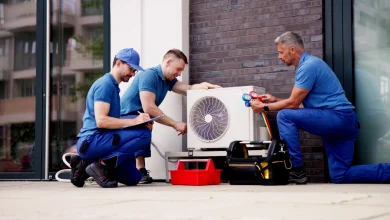
Inspect your HVAC filter regularly and replace or clean it according to the manufacturer’s instructions. A neglected filter cannot perform effectively. Ask a qualified technician whether your system can accommodate a MERV 13 filter, or the highest suitable rating, without restricting airflow.
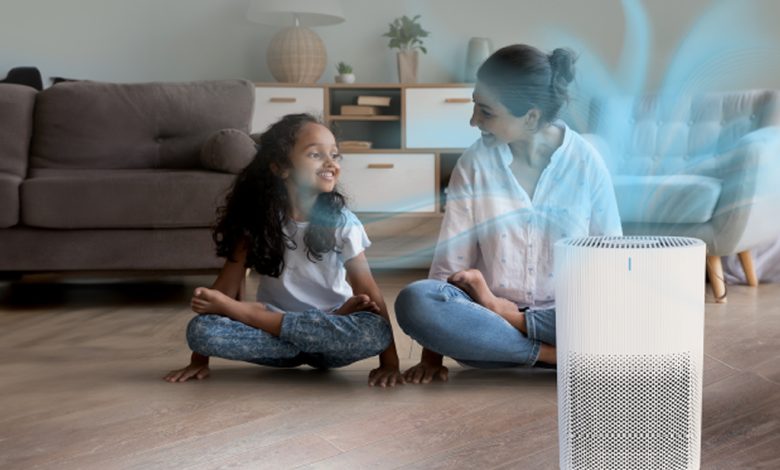
For individual rooms, consider a portable HEPA air purifier. Match its clean air delivery rate, known as CADR, to the room size. Keep the intake and outlet clear, and account for replacement-filter costs before buying.
HEPA filters capture particles such as dust, pollen and smoke, but they do not remove all gases. Avoid devices designed to generate ozone, which can irritate the lungs. Air purification should support source control and ventilation rather than replace them.
Control Moisture Before Mould Develops
Leaks and persistent dampness create conditions for mould growth. Check beneath sinks, around windows and in basements for water stains, condensation or musty smells. Repair the source promptly rather than painting over the damage.
Use a humidity meter to understand conditions indoors. A relative humidity range of around 30–50% is a useful starting point, although cold-weather condensation may require a lower setting. Dry water-damaged materials promptly, ideally within 24–48 hours. Seek experienced help for extensive or recurring mould.
Clean Regularly and Investigate Persistent Problems
Vacuum carpets and upholstery with a HEPA-filtered vacuum, and remove settled dust with a damp cloth. Wash bedding regularly and focus on places where dust collects, including beneath furniture. These habits help reduce material that can become airborne again.
Some pollutants require specific checks. Test your home for radon and maintain working carbon monoxide alarms. Neither gas can be detected by smell. If problems persist, request an assessment that explains the suspected source and proposed solution before agreeing to equipment installation.
Conclusion
Cleaner indoor air comes from several practical measures working together. Reduce emissions, ventilate when conditions allow, use suitable filtration and address moisture promptly.
Start with the changes your home needs most. Consistent maintenance and targeted professional advice can help you manage indoor pollution without relying on unnecessary products or unsupported promises.