How to Maintain Wooden Furniture for Longevity
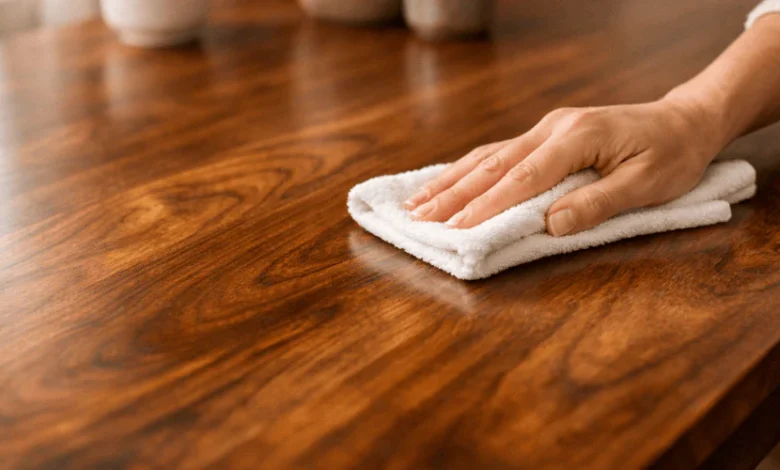
Wooden furniture is a timeless investment that adds warmth, character, and structural elegance to any interior space. Whether it is an antique heirloom passed down through generations or a contemporary piece featuring minimalist lines, solid wood possesses a unique cellular structure that responds dynamically to its environment. Unlike synthetic materials, wood retains organic properties throughout its lifespan, meaning it requires deliberate, informed care to prevent degradation.
Neglect, improper cleaning agents, and harsh environmental conditions can lead to irreversible damage, including warping, cracking, surface checking, and the breakdown of protective finishes. Understanding the science behind wood preservation allows homeowners to implement maintenance routines that protect the material’s structural integrity and enhance its natural grain definition for decades.
Environmental Control and Microclimate Management
The most critical factor in preserving wooden furniture is controlling the atmospheric conditions of the room in which it resides. Because wood is hygroscopic, it naturally absorbs and releases moisture from the surrounding air, leading to dimensional changes.
Relative Humidity and Temperature Fluctuations
When relative humidity levels spike, wood fibers absorb moisture and swell. Conversely, when the air becomes excessively dry, the wood releases its internal moisture, causing the fibers to shrink. Continuous cycles of expansion and contraction stress the joinery, glue lines, and wood grain, eventually resulting in splits, loose joints, and warped tabletops.
-
The Ideal Threshold: Maintain a stable indoor relative humidity level between thirty five and forty five percent.
-
Temperature Stability: Keep indoor temperatures consistent, ideally between sixty eight and seventy two degrees Fahrenheit. Avoid placing premium wooden pieces directly in front of heating vents, radiators, fireplaces, or air conditioning units, as localized forced air rapidly accelerates localized drying.
Mitigating Ultraviolet and Thermal Degradation
Direct sunlight is a primary catalyst for the degradation of both the wood fibers and their protective topcoats. Ultraviolet rays break down the chemical compounds within the wood, a process known as photodegradation.
-
Visual Alterations: Sunlight can cause light woods, like maple or ash, to turn a yellow or amber hue, while darkening or bleaching rich woods like cherry and walnut.
-
Finishing Breakdown: Extended UV exposure dries out traditional oil, lacquer, and shellac finishes, causing them to become brittle, crack, and lift from the wood surface. Utilize UV filtering window films, sheer curtains, or blinds to shield furniture from direct solar rays.
Correct Cleaning Methodologies and Surface Care
Dusting and washing wooden furniture might seem elementary, but using improper techniques or chemical solutions can gradually erode defensive finishes and dull the wood’s natural brilliance.
Regular Dusting Techniques
Dust consists of microscopic abrasive particles, including mineral silica, sloughed skin cells, and atmospheric particulates. Allowing dust to accumulate creates a gritty layer that can scratch the protective finish during casual contact.
-
Avoid Dry Dusting: Never use a dry cloth to wipe dust from wooden furniture, as this simply drags the abrasive particles across the surface, creating micro scratches.
-
The Microfiber and Moisture Rule: Use a clean, soft microfiber cloth slightly dampened with plain water or a specialized dust attracting pre treatment. The moisture captures and holds the dust particles rather than scattering them into the air or dragging them across the wood. Wipe gently following the direction of the natural wood grain.
Navigating Cleansers and Avoiding Chemical Pitfalls
The commercial cleaning aisle is saturated with aerosol sprays and polishes promising an instant, high gloss shine. However, many of these products cause long term damage.
-
The Danger of Silicones: Many commercial furniture polishes contain silicone oils. While silicone provides a temporary, artificial sheen, it creates an impermeable barrier on the surface. This film prevents future touch ups, repels professional refinishing lacquers, and attracts airborne dust like a magnet.
-
Say No to Harsh Solvents: Avoid multi surface cleaning sprays, ammonia based products, or dish soaps containing harsh degreasers. These chemicals strip away the natural oils and protective waxes, leaving the wood vulnerable to moisture infiltration and drying.
-
The Mild Soap Solution: For accumulated grime or sticky residues, mix a few drops of mild, pH neutral vegetable based soap into a bowl of warm water. Wring out a microfiber cloth until it is barely damp, wipe the affected area, and immediately follow with a dry cloth to remove any residual moisture.
Finishing and Waxing Protocols
Protective finishes act as a sacrificial barrier, absorbing daily wear and tear so the raw wood underneath remains untouched. Periodically replenishing or reinforcing this barrier is a fundamental component of longevity.
The Power of Paste Wax
For furniture with traditional finishes like lacquer, shellac, or varnish, applying a high quality carnauba paste wax provides superior protection against moisture, dust, and minor abrasions.
-
Application Frequency: Paste wax only needs to be applied once or twice a year. Over waxing can create a cloudy, thick buildup that obscures the wood grain.
-
The Buffing Process: Apply a thin, uniform layer of paste wax using a soft cotton cloth, working in circular motions. Allow the wax to dry to a hazy film for fifteen to twenty minutes, then buff the surface vigorously with a clean cloth following the direction of the grain to reveal a deep, hard, natural luster.
Maintaining Oil and Wax Finishes
Some modern and Scandinavian style furniture features a minimalist oil finish, such as linseed or tung oil, rather than a hard topcoat. These finishes penetrative rather than sit on top of the wood.
-
Re oiling Routines: When an oiled surface begins to look dry or loses its rich color depth, it should be re oiled. Apply a small amount of specialized furniture oil, let it penetrate for twenty minutes, and completely wipe away any excess pool of oil to prevent a sticky residue from forming.
Structural Preservation and Preventative Habits
Preserving wooden furniture involves everyday handling habits and operational safeguards that prevent physical trauma and structural distortion.
Defending Against Thermal and Liquid Traumas
Water rings and heat blurs are among the most common visual defects on wooden tables, caused by condensation or thermal transfer disrupting the finish layer.
-
The Preventive Shield: Implement a strict rule of using felt backed coasters under all beverage containers and heat resistant trivets under hot serving dishes.
-
Writing Protections: Never write directly on a wooden surface with a ballpoint pen or a sharp instrument without a protective desk pad underneath, as the pressure can easily indent the soft wood fibers beneath the finish.
Leveling and Operational Alignment
Wooden furniture must sit on a completely level surface to maintain its structural balance over time.
-
Preventing Frame Stress: If a heavy wardrobe, sideboard, or desk sits on an uneven floor, gravity will pull the frame downward unevenly. This puts constant torsional stress on the joints, causing doors to misalign, drawers to bind, and glue joints to separate. Utilize adjustable leveling feet or discreet wooden shims to ensure the piece sits perfectly plumb.
Frequently Asked Questions
What is the difference between a white water ring and a black spot on wood, and how are they treated?
A white water ring indicates that moisture has penetrated the clear protective finish but has not yet reached the raw wood underneath, usually causing the finish to trap air and turn opaque. This can often be remedied by gently applying a mild abrasive like baking soda mixed with non gel toothpaste, or using a dry cloth and a warm iron on a low setting to draw the moisture out. A black spot indicates that water has bypassed the finish entirely and reacted with the natural tannins in the raw wood, causing iron oxidation. Treating black spots requires completely stripping the finish and treating the stained wood fibers with oxalic acid.
How do I safely move heavy wooden furniture without damaging the joinery?
You should never drag, push, or slide wooden furniture across a room. Sliding puts immense lateral pressure on the legs and base joints, which can instantly snap tenons, strip screws, or loosen internal dowels. Always empty the piece of all internal content, remove any detached shelving, secure or remove drawers, and completely lift the piece from its structural base frame with the assistance of another person.
Is it safe to use olive oil and lemon juice as a natural DIY furniture polish?
While widely recommended as a green cleaning hack, using olive oil and kitchen ingredients is highly detrimental to wooden furniture. Olive oil is a non drying oil that never cures or hardens. It remains wet on the surface, quickly turning rancid, creating an unpleasant odor, and attracting atmospheric dust, pet hair, and bacteria. The high acidity of lemon juice can also slowly degrade certain protective lacquers over time. Stick to purpose formulated paste waxes or cured drying oils.
How can I identify if my furniture has a shellac, lacquer, or polyurethane finish?
You can perform a discreet spot test in an inconspicuous area, such as the inside of a leg or the underside of a tabletop, using specific solvents. Apply a drop of denatured alcohol to the spot; if the finish liquefies and dissolves within a few minutes, it is shellac. If the alcohol has no effect, apply a drop of lacquer thinner; if the finish dissolves under this solvent, it is a lacquer finish. Polyurethane and modern catalyzed varnishes will resist both alcohol and lacquer thinner, remaining unaffected by quick solvent contact.
Why do the drawers on my solid wood dresser stick during the summer but slide easily in the winter?
This phenomenon is a direct result of seasonal relative humidity changes. In the summer, high humidity causes the unpainted, raw interior wood fibers of the drawers and the internal runners to absorb moisture and swell, increasing physical friction and causing them to bind. In the winter, dry indoor heating draws the moisture out, causing the wood to shrink back to its minimum dimensions. To reduce summer sticking, rub a block of plain paraffin wax or a white candle along the drawer runners to lubricate the contact points.
Can wood boring insects infest furniture kept inside a modern, climate controlled home?
Yes, wood boring insects such as powderpost beetles or termites can infest furniture if the piece was crafted from improperly seasoned lumber, or if an infested antique item is introduced into the home. If you notice tiny, perfectly round exit holes accompanied by a very fine, powdery wood dust known as frass underneath the furniture, it indicates an active infestation. The piece must be isolated immediately and treated via professional pest control methods, which may include localized freezing or specialized chamber fumigation.