The Fort Worth Homeowner’s Guide To Smart Irrigation: Save Water, Save Money
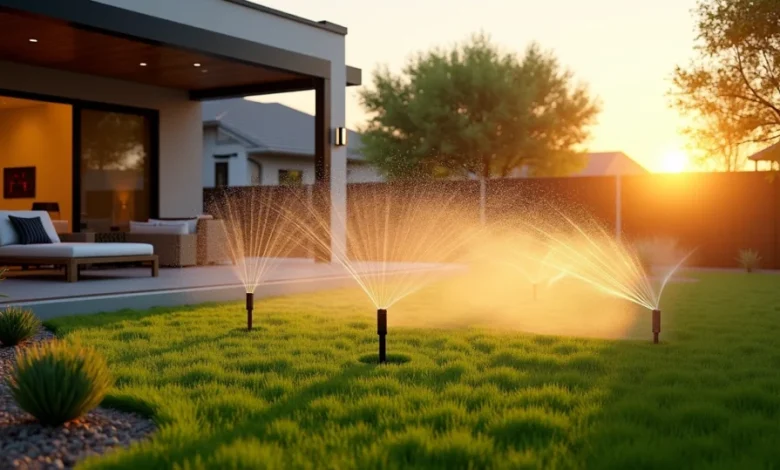
Understanding the Importance of Smart Irrigation Systems
Why Efficient Water Use Matters for Your Landscape
Efficient water use is paramount for maintaining a robust and sustainable landscape. In Fort Worth, where temperatures can soar and drought conditions may occasionally prevail, having a well-structured irrigation system can mean the difference between a lush, thriving garden and a parched wasteland. Not only does smart irrigation optimize water usage, ensuring that every drop counts, but it also aids in preserving the natural water supply. Utilizing advanced irrigation technologies allows homeowners to apply just the right amount of water at the right time, significantly minimizing waste.
Additionally, understanding your plant’s specific watering needs can help promote healthier growth compared to traditional systems that tend to overwater or underwater. Vegetation relies on water to transport nutrients, and inefficient irrigation can stir up problems like root rot due to soggy soils or stress from dehydration that stunts growth. By employing efficient irrigation techniques, you also support soil health by preventing erosion and allowing for better water infiltration. Over time, this fosters an environment where your plants can flourish, backing the assertion that efficient water use is not merely a practice but a necessity for a thriving landscape.
The Environmental and Financial Benefits of Advanced Irrigation
Advanced irrigation systems provide noteworthy environmental and financial benefits that create a compelling case for their adoption. From an environmental perspective, efficient irrigation reduces the demand for precious water resources. This is particularly vital in regions like Fort Worth, where water scarcity threatens not just gardens but entire ecosystems. When you leverage advanced technologies such as drip irrigation or smart timers, water waste through evaporation or runoff significantly decreases. These systems enable the precise delivery of water directly to plant roots, ensuring that plants receive the hydration they need while preserving excess water.
On the financial side, employing an effective irrigation system translates into considerable savings on water bills. Traditional irrigation methods may lead to excessive water usage and overcharges on monthly utility bills, but smart technologies allow you to monitor consumption and adjust usage accordingly. Some systems come equipped with rain sensors that automatically halt watering cycles when it rains, further cutting costs. Moreover, a healthy landscape usually means less spending on plant replacements, chemical fertilizers, and landscaping labor, ultimately ensuring that the initial investment in an advanced irrigation system pays for itself over time.
Innovative Irrigation Techniques to Enhance Your Outdoor Space
Exploring Drip Irrigation: The Precision of Targeted Watering
Drip irrigation is an innovative technique that has fundamentally transformed how we think about watering landscapes. Unlike traditional sprinkler systems that disperse water broadly over a wide area, drip irrigation delivers water directly to the root zone of plants through a network of tubing and emitters. This precision allows for tailored watering schedules that cater to the individual needs of different plants, making it an ideal solution for mixed gardens or complex landscapes. The water is applied slowly and at the soil’s surface, reducing evaporation and runoff, which is particularly beneficial in arid climates.
Moreover, drip irrigation systems are highly adaptable. Landscaping layouts can change over time, and with a drip irrigation system, it’s relatively straightforward to add or relocate emitters as new plants are introduced or as existing plants grow. This flexibility not only enhances water efficiency but also promotes healthier plant growth, as stressed plants can be revitalized with precise watering. Additionally, drip irrigation can substantially curtail weed growth; since only the desired plant areas receive water, less moisture is available for weeds. By utilizing drip irrigation, Fort Worth homeowners can cultivate more vibrant and sustainable gardens while using fewer natural resources.
Smart Controllers: Automating Your Landscape for Optimal Growth
In an era where technology permeates every aspect of our lives, it is no surprise that irrigation has seen significant advancements in automation. Smart controllers represent the forefront of this evolution, allowing homeowners to program irrigation schedules based on environmental conditions, local weather forecasts, and the specific needs of their landscape. These cutting-edge devices can integrate with various sensors, including soil moisture, rain, and temperature sensors, to provide real-time data, adjusting watering schedules dynamically to prevent overuse or scarcity.
This level of automation ensures that your landscape receives optimal hydration without requiring manual adjustments or constant monitoring. For instance, if a rainstorm brings moisture to your garden, a smart controller can halt scheduled irrigation cycles without any input from the homeowner. Furthermore, some smart controllers feature smartphone connectivity, providing users with the ability to manage their irrigation systems from anywhere. This convenience and control empower property owners to take full advantage of technology while maintaining a vibrant landscape that thrives year-round, regardless of fluctuating weather patterns.
Choosing the Right Irrigation Service Provider in Fort Worth
What to Look for in Expert Irrigation Services
Choosing the right Fort Worth irrigation services is crucial for ensuring your landscape’s health and longevity. When selecting a contractor, look for firms that carry the necessary licenses and certifications as it indicates a commitment to industry standards and quality. Furthermore, investigate their experience and expertise in various irrigation techniques, such as drip systems, smart controllers, and rainwater harvesting. A well-versed irrigation specialist should be able to recommend systems tailored to your specific landscape requirements while also considering the local climate and water availability.
Customer reviews and testimonials can offer valuable insights into a company’s reliability and service quality. Take into account companies that prioritize customer engagement and communication, as effective irrigation systems require regular maintenance and checks. Providers that demonstrate a strong track record of customer care are more likely to form lasting partnerships with clients, allowing for continued support as your landscape evolves. Additionally, inquire about warranties and service guarantees, as these factors can significantly impact long-term satisfaction and investment security.
Questions to Ask Before Hiring an Irrigation Specialist
Before finalizing your decision on an irrigation specialist, it’s essential to leverage a set of targeted questions to gauge their qualifications and service offerings. Start by asking about their experience with different irrigation systems. Are they well-versed in both traditional and advanced irrigation techniques? Additionally, inquire about their process planning and designing an irrigation system. Understanding how they assess a landscape’s water requirements can highlight their analytical capabilities and adaptability to your specific needs.
Another important line of questioning involves the materials they use. Ask whether they employ high-quality components and sustainable practices in their installations. Inquire if they can provide examples of past projects that showcase their expertise and success in transforming landscapes through effective irrigation. Furthermore, probe into their maintenance services post-installation. A competent irrigation provider will not only install high-quality systems but will also offer ongoing support to ensure those systems perform optimally and adapt to changing conditions.
Maintaining Your Irrigation System for Long-Term Success
Seasonal Checklists for Efficient Irrigation Performance
Maintaining your irrigation system is crucial for its success and longevity. A structured seasonal checklist serves as an invaluable tool for homeowners in Fort Worth, ensuring that your systems are functioning effectively year-round. As the seasons change, the irrigation needs of your landscape will also vary. In the spring, for instance, it is paramount to inspect your system for any damage that may have occurred over the winter. Check hoses, emitters, and controllers for functionality and leaks, and ensure that all settings are adjusted for the growing season.
During the summer months, perform regular checks on soil moisture levels and inspect timer schedules to suit the hotter temperatures. Conversely, as fall approaches, it’s wise to begin preparations for winter by draining any water from pipes to prevent freezing or damage. In winter, while active watering may be minimal, it’s advisable to schedule a professional inspection to review the entire system carefully, ensuring readiness for the next growing season. Regularly adhering to these seasonal maintenance checklists can greatly enhance efficiency, ultimately leading to a flourishing landscape that exemplifies the benefits of proper irrigation management.
Common Irrigation Problems and How to Solve Them
Every irrigation system may encounter issues over time, and being aware of common problems—along with their solutions—can save homeowners significant time and resources in the long run. One of the most frequent challenges is uneven water distribution, often caused by blocked emitters or damaged pipes. Ensure you regularly check and clean emitters; this helps maintain effective water flow. Additionally, adjusting emitter placements based on plant growth can alleviate distribution issues as plants mature.
Another common issue is sprinkler overspray, which can lead to water wastage and excess moisture in unwanted areas. Evaluating the layout of your irrigation system and ensuring that sprinkler heads are appropriately positioned can mitigate this. Furthermore, water pressure problems can also arise, either resulting in inadequate watering or damaging the system. Employing a pressure regulator can help maintain consistent water pressure, ensuring that your irrigation operates optimally. By proactively addressing these common irrigation challenges, homeowners can substantially improve their systems’ effectiveness, leading to healthier, vibrant landscapes that stand the test of time.
FAQ
Question: What are the most common types of irrigation systems? – The most common types of irrigation systems include drip irrigation, sprinkler systems, flood irrigation, and subsurface irrigation. Each system has unique advantages and suitability based on different landscape requirements and water availability.
Question: How often should I inspect my irrigation system? – It is recommended to inspect your irrigation system at least once per season and after significant weather events. Regular checks help identify any problems early, ensuring efficient operation and preventing waste.
Question: Can I install an irrigation system myself? – Yes, DIY installation of simple irrigation systems is possible for homeowners with basic plumbing skills. However, it’s often advisable to hire professionals for complex systems to ensure proper design and functionality.
Question: What are rain sensors, and why are they important? – Rain sensors are devices that halt irrigation when rainfall is detected, preventing unnecessary water usage. They are crucial for conserving water and optimizing irrigation schedules according to weather conditions.
Question: What factors should I consider when planning my irrigation system? – Key factors to consider include the types of plants, soil conditions, local climate, landscape size, and water availability. Tailoring your irrigation plan to these factors will enhance efficiency and plant health.
Question: How does soil type affect irrigation needs? – Soil type influences water retention capabilities, drainage, and plant root growth. Sandy soils drain quickly, needing more frequent watering, while clay retains water and may require less frequent irrigation.
Question: What are the benefits of using smart irrigation controllers? – Smart irrigation controllers offer precise scheduling based on weather data, soil moisture levels, and landscape requirements, optimizing water use and reducing waste, ultimately leading to healthier plants and lower water bills.
Question: How can I troubleshoot my irrigation system? – To troubleshoot, start by checking for visible signs of damage, blockages in emitters, and proper positioning of sprinkler heads. Ensure that the system operates at the correct water pressure and inspect for leaks to maintain efficiency.
Useful Resources
- S. Environmental Protection Agency (EPA)
- Natural Resources Conservation Service (NRCS)
- eXtension – USDA Cooperative Extension System
- International Society of Arboriculture
- Irrigation Association
- Water Use It Wisely
- Smart Irrigation
- Gardening Know How