Mandurah Air Conditioning, From Quote to Commissioning, What to Expect from a Local Team
When you are organising a new air con system, the most stressful part is often not choosing the unit. It is not knowing what the process should look like. Who comes out first, what gets measured, what should be included in the quote, how long the install takes, and what commissioning actually means. Without a clear picture, it is easy to accept vague promises and only discover gaps when the job is already underway.
If you are researching Mandurah air conditioning services, this step by step guide will walk you through the customer journey from the first call to the final handover. It is written so you can compare providers confidently, ask the right questions, and know what a professional process looks like in real life.
Step 1, the first call and the right kind of questions
A good experience starts with a simple but focused conversation. The aim is to clarify what you need and to make sure the site visit is worth your time.
What you should be asked early
Expect questions like which rooms matter most, whether that is the living area, bedrooms, study, or multiple zones. You should also be asked whether you want cooling only or both heating and cooling, what type of home you have, and how open the layout is.
You may also be asked about problem areas like western sun, bedrooms that stay hot at night, or rooms that feel stuffy even with windows open. These are not casual questions. They directly affect system sizing and placement.
What you should share before the visit
You will get a more accurate quote if you provide a little context upfront. Rough room sizes help, even if they are approximate. Photos of the intended indoor location and outdoor area save time. Access constraints like narrow side paths matter. If you have solar and plan to run air conditioning mostly during daylight hours, that should be mentioned early.
Step 2, the site visit, what a proper assessment looks like
A real assessment is not someone standing in a doorway and naming a capacity. It is a short investigation of heat load, airflow, and installation practicality.
What gets checked inside
A thorough installer will look at ceiling height, room shape, window placement, and sun exposure. They will consider airflow paths and where air might get trapped. Furniture layout matters more than people realise. Beds, couches, dining tables, and televisions all influence placement.
You can help by explaining how you actually use the space. If the family always sits in one area or children play in a specific corner, that information should guide where airflow is directed.
What gets checked outside
Outside, the installer should assess airflow clearance, noise impact on bedrooms and neighbours, and pipework routes. They should also look at exposure to sprinklers, runoff, or debris, which is especially important in coastal areas like Mandurah.
Step 3, load calculation and sizing, what you should expect explained
Sizing is one of the biggest reasons people overpay. A system that is too large can cycle on and off inefficiently. A system that is too small will struggle on hot days and run longer, increasing power costs.
How sizing should be justified
A professional should be able to explain the recommendation clearly, based on room volume, ceiling height, window exposure, insulation quality, and how open the space is. They should also consider how many rooms you plan to condition at the same time.
You do not need technical formulas. You do deserve a clear explanation instead of a generic statement like this is what we normally install.
A simple way to sanity check sizing
Ask what factors would change the recommendation and why. A thoughtful answer shows real assessment rather than habit.
Step 4, the quote, what should be included and what should be clear
A strong quote is specific, readable, and transparent. It should help you compare providers fairly.
What should be clearly listed
Look for the exact model and capacity, indoor and outdoor placement notes, electrical work inclusions, pipework and drainage approach, allowances for longer pipe runs, removal of old equipment if needed, and commissioning included as part of the job.
The quoting checklist that protects you
Before approving anything, ask about condensate drainage, how the home will be protected during installation, what the external finish will look like, what workmanship warranty applies, and who to contact if something seems off after installation.
A reputable team will answer calmly and put key details in writing.
Step 5, scheduling and preparing your home for install day
Once you accept the quote, preparation helps the installation go smoothly. Clear access to indoor and outdoor areas, move fragile items, secure pets, and confirm approvals if the property is rented or under strata.
For ducted systems, roof access should be clear, with stored items moved away from manholes.
Step 6, installation day, what the workflow should look like
This is where experience shows. A professional installation follows a predictable rhythm and feels organised rather than rushed.
Before drilling begins, placement should be confirmed one last time. The team should explain the plan for the day and the expected timeframe. Protective coverings should be used where needed, and any small adjustments due to access should be discussed before work continues.
This kind of clear communication is one of the reasons many Mandurah homeowners prefer working with established local teams rather than general contractors who juggle multiple regions.
What quality workmanship looks like during the install
Neat pipework routing, weatherproof wall penetrations, correct drainage fall, secure mounting, and tidy electrical work are non negotiable signs of quality. If a team is improvising constantly or leaving messy finishes, it is worth raising immediately.
Step 7, commissioning, what it is and why it matters
Commissioning is the difference between installed and installed properly. It is the stage where the system is tested, adjusted, and proven to work as intended.
This is an area where experienced providers like iBreeze place particular emphasis, because commissioning is where long term comfort and reliability are locked in.
What should be checked during commissioning
The system should start smoothly, deliver strong and well directed airflow, and demonstrate that it can pull room temperature down effectively. Outdoor unit operation should be checked, drainage tested, and controller settings verified.
This is also when small issues are usually identified and resolved before the installer leaves, rather than becoming service calls later.
What you should see as the homeowner
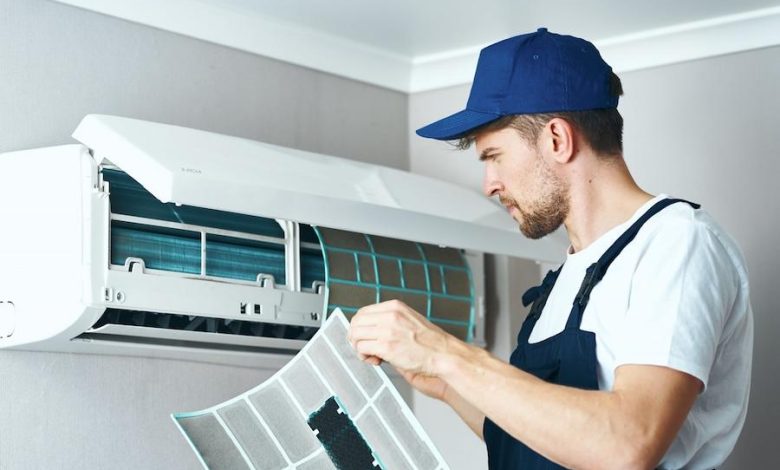
You should be shown how to operate different modes, adjust fan speeds, use timers or schedules, and clean filters safely. You should also be told what sounds and behaviours are normal and what is not.
When commissioning is done properly, you are not left guessing once the door closes.
Step 8, handover and aftercare, what happens after the installer leaves
The job is not finished when the tools are packed away. The first week of real use matters.
Run the system in the rooms you care about most and check comfort consistency. Listen for unusual noises, check for moisture near indoor units, and make sure outdoor airflow remains clear.
A local provider that values long term relationships will encourage this feedback window, not avoid it.
A realistic maintenance rhythm for Mandurah homes
During heavy summer use, filters should be checked every two to four weeks. Vents and return air grilles should stay clear of furniture. Outdoor units should be kept free of leaves and debris. If airflow drops, smells appear, or cooling weakens, a service should be booked promptly.
This kind of practical advice is typically shared upfront by teams who expect to support the system beyond installation.
Choosing a local team, what good service looks like in Mandurah
By this stage, you can usually tell whether the process has been professional. A strong local team assesses properly, communicates clearly, and treats commissioning as essential, not optional.
This is where brands like https://ibreeze.com.au/ stand out. Their approach reflects the full process described above, from careful assessment and transparent quoting to structured installation and proper commissioning.
Rather than pushing one size fits all solutions, iBreeze focuses on matching systems to real homes, real layouts, and real usage patterns in Mandurah. That local understanding shows not in marketing language, but in how jobs are planned, executed, and supported after installation.
If you want to benchmark what a complete Mandurah air conditioning process should include, reviewing iBreeze and comparing their approach against this guide can help you make a confident decision.
FAQ
How can I make the site visit more accurate without measuring every room?
Take photos and short videos of main living areas, bedrooms you want conditioned, and the outdoor space. Mention ceiling height if it is unusually high and note rooms with strong afternoon sun.
What should I do if my quote is missing model numbers or clear inclusions?
Ask for a revised quote. You should be able to see the exact unit, scope of electrical work, and what commissioning includes. If clarity is missing, comparison becomes impossible.
Is it normal for installers to change placement on the day?
Small changes can happen due to hidden obstacles. The key is communication. You should be shown the reason and the new placement should still make sense for airflow and comfort.
How do I know commissioning has actually been done?
You should see the system tested properly, not just switched on briefly. Airflow, cooling response, drainage, and controls should all be checked and explained.
Can I request quieter placement if I am worried about sleep or neighbours?
Yes. Mention noise concerns early. Outdoor placement, mounting method, and airflow direction all influence perceived noise.
What if my home is a rental or part of a strata complex?
Get approvals early, especially for outdoor unit placement and pipe routes. Ask the installer what limitations are common for your property type.
How soon should I clean filters after a new install?
If the system runs daily, check filters after the first few weeks. New installs can stir up dust during drilling and roof work, and early cleaning helps maintain airflow.