Eight Sun-Loving Daylilies That Thrive in Hot Spots
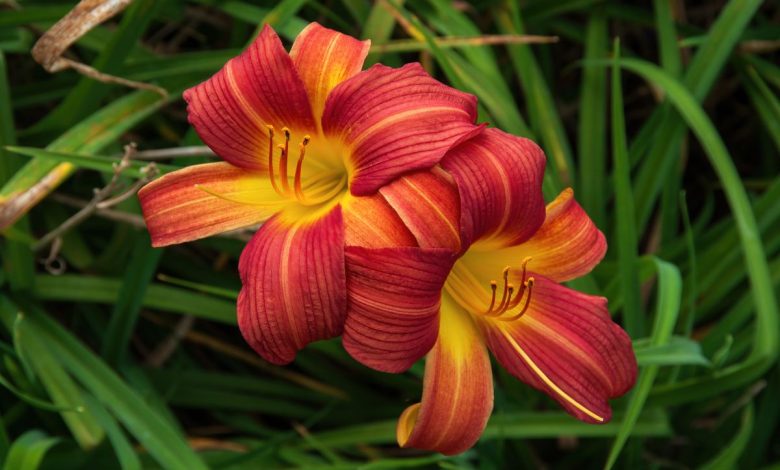
While many traditional perennials struggle in exposed or sun-baked positions, some plants cope with heat far better than expected. Daylilies, long valued for their reliability and low maintenance, are among the most adaptable choices for these conditions. Certain varieties not only tolerate intense sun but actively perform better in it, offering consistent flowering and healthy foliage where other plants falter.
This article looks at eight sun-loving daylilies that thrive in hot spots, whether planted in open borders, gravel gardens, raised beds, or south-facing plots. Although daylilies are not fruit trees, they fit naturally into productive or mixed gardens, pairing well with apple trees and other permanent plantings by providing ground cover, seasonal colour, and weed suppression without heavy competition for resources. For gardeners searching for dependable Daylily plants for sale that can cope with rising temperatures, understanding which varieties excel in full sun is increasingly useful.
A leading grower at SwallowtailDaylilies advises that strong sunlight is often misunderstood as a problem rather than an opportunity. According to their experience, many modern cultivars are bred specifically to hold colour and form in heat, provided the soil is well prepared and moisture is managed correctly. They highlight sun-tolerant daylilies as particularly suitable for exposed gardens, noting that good airflow and full light reduce disease pressure and encourage repeat flowering.
Why Daylilies Excel in Full Sun
Daylilies are well adapted to conditions that defeat many ornamental plants. Their thick, fleshy roots store moisture and nutrients, allowing them to ride out dry periods once established. Unlike shallow-rooted perennials, they remain stable in heat and wind, making them dependable in open, sunny positions. Full sun, defined as six or more hours of direct light each day, promotes stronger stems, richer flower colour, and more buds per scape.
In British gardens, full sun does not always mean extreme heat, but south-facing walls, free-draining soils, and urban plots can create surprisingly hot microclimates. Daylilies cope well with reflected heat from paving or stone, which makes them useful in courtyards and modern garden designs. Their narrow foliage reduces moisture loss compared with broad-leaved plants, while their ability to die back in winter helps them conserve energy.
Another advantage is their flowering habit. Each bloom lasts only a day, but established clumps produce a succession of buds over several weeks. In strong sunlight, this process is more reliable, with fewer aborted buds and cleaner flowers. Pale colours tend to glow in full sun, while darker varieties have been bred to resist fading, a common issue in older cultivars.
Daylilies also integrate well with productive gardens. When planted beneath apple trees or along orchard edges, they suppress weeds and stabilise soil without interfering with tree roots. Their summer flowering fills the gap between spring blossom and autumn harvest, adding interest at a time when many fruit-focused gardens look green but uneventful.
Eight Varieties That Thrive in Hot Spots
Among the many cultivars available, some consistently outperform others in sunny, exposed conditions. Varieties with thicker petals and strong scapes tend to cope best, as they resist wilting and snapping in heat or wind. Yellow and gold forms are especially reliable, as their pigments hold well under intense light.
Classic lemon-yellow daylilies remain popular for good reason. They are vigorous, long-lived, and quick to establish, making them ideal for large plantings. Modern hybrids in orange, apricot, and red tones have also been selected for sun tolerance, with improved petal substance and colour stability. Bi-colour and patterned varieties can succeed in full sun too, provided they are planted in soil that retains some moisture.
Early to mid-season flowering types are often the most dependable in hot spots, as they complete their main display before late-summer drought becomes an issue. That said, well-watered repeat bloomers can extend interest into August, particularly in gardens with heavier soils or mulched beds.
Choosing named cultivars from specialist growers improves the chances of success. Plants bred and trialled in British conditions are more likely to cope with variable weather and winter wet, which can be as challenging as summer heat. Healthy stock with strong root systems establishes faster and flowers sooner, reducing the stress of the first growing season.
Planting and Soil Preparation for Sun-Exposed Areas
Good preparation makes a significant difference when planting daylilies in hot, sunny positions. Although they are tolerant plants, they perform best in soil that drains freely while retaining enough moisture to prevent stress. Before planting, the soil should be loosened to a decent depth and enriched with organic matter such as well-rotted compost or leaf mould.
Raised beds and slopes benefit from extra attention, as water runs off more quickly in these areas. Incorporating moisture-retentive materials and applying a surface mulch helps stabilise soil temperature and reduces evaporation. Mulching also suppresses weeds, which compete for water and nutrients during dry spells.
Spacing is another consideration. Daylilies planted too closely may struggle in heat, as airflow is reduced and roots compete for limited moisture. Allowing enough room for clumps to expand improves long-term performance and reduces the need for frequent division.
Watering during the first year is crucial. Once established, daylilies cope well with short dry periods, but young plants need consistent moisture to develop their root systems. Deep, infrequent watering encourages roots to grow downwards rather than remaining near the surface, improving drought tolerance over time.
Care and Maintenance Through the Growing Season
One reason daylilies suit busy gardeners is their minimal maintenance needs. In sunny gardens, the main tasks involve watering during prolonged dry weather and removing spent flower stems to keep clumps tidy. Deadheading individual flowers is optional, as they fall cleanly, but cutting back finished scapes can encourage repeat flowering in some varieties.
Feeding is rarely necessary in fertile soil, but a balanced fertiliser applied in spring can boost flowering, particularly in sandy or heavily worked beds. Avoid high-nitrogen feeds, which promote leaf growth at the expense of flowers. In hot conditions, excessive feeding can also increase water demand, leading to stress.
Pests and diseases are generally less problematic in full sun. Good airflow and dry foliage discourage fungal issues, while the tough leaves deter most insects. Slugs and snails are rarely a problem once plants are established, making daylilies a practical choice for gardens where these pests are common.
Division every few years keeps clumps vigorous and prevents overcrowding. In hot spots, dividing in early spring or early autumn reduces stress on the plants and allows them to re-establish before extreme weather. Divisions also provide an opportunity to extend planting schemes or share plants with other gardeners.
Using Daylilies in Mixed and Productive Gardens
Daylilies are often associated with ornamental borders, but they have a place in more practical garden designs. In orchards or kitchen gardens, they form neat, attractive clumps that do not spread aggressively. Their roots coexist well with fruit trees, herbs, and shrubs, making them useful fillers in spaces where annuals struggle.
Along paths and edges, sun-loving daylilies soften hard landscaping and cope with reflected heat from paving. Their summer flowers provide colour without clashing with the more restrained tones often preferred in productive gardens. After flowering, their foliage remains tidy, maintaining structure without drawing attention.
They also suit wildlife-friendly gardens. Although daylilies are not native, their open flowers attract pollinators, particularly bees, during the summer lull when fewer plants are in bloom. This supports overall garden health and complements fruit production by encouraging pollination.
For gardeners redesigning plots to cope with climate change, daylilies offer reassurance. Their combination of resilience, adaptability, and visual appeal makes them a sensible choice for future-proof planting schemes, whether in rural gardens or urban spaces.
Conclusion
As British summers become warmer and drier, choosing plants that can cope with full sun is increasingly important. Daylilies stand out as dependable performers, particularly when the right varieties are selected and planted with care. The eight sun-loving types discussed here demonstrate how adaptable these plants can be, thriving in hot spots that challenge many other perennials.
By preparing soil properly, spacing plants well, and providing thoughtful early care, gardeners can enjoy years of reliable flowering with minimal effort. Whether used alongside apple trees, in mixed borders, or as part of a low-maintenance design, daylilies earn their place as one of the most practical and attractive choices for sunny gardens.