Outdoor Blinds for Australian Homes: Transforming Your Alfresco Space Year-Round
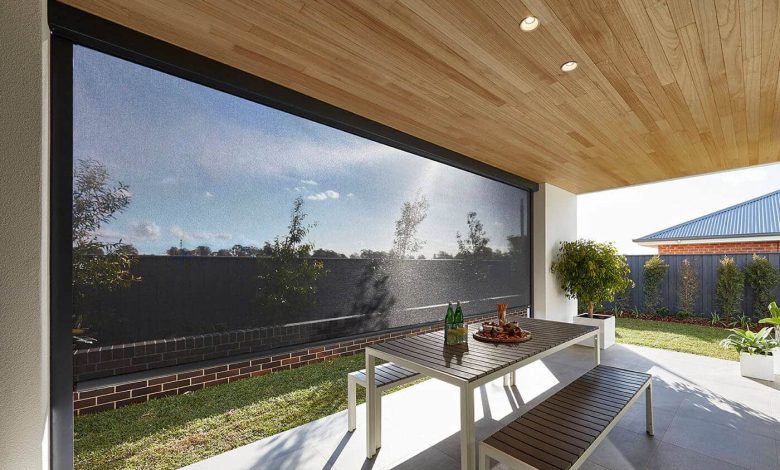
The alfresco area has become one of the most valued parts of the Australian home. Whether it’s a pergola at the back of a suburban house, a wraparound verandah on an acreage property, or a rooftop terrace on an inner-city apartment, Australians invest heavily in outdoor living spaces and then struggle to use them comfortably for much of the year.
The problem is familiar: summer heat makes the space unbearable by mid-morning, winter winds make it too cold for evenings, and the year-round glare from the Australian sun creates a constant squinting experience. The solution, increasingly, is outdoor blinds purpose-engineered systems that extend the usability of outdoor spaces across all seasons.
This guide covers the key considerations for homeowners and property developers looking to invest in outdoor blind solutions that deliver genuine performance and long-term value.
Why Outdoor Blinds Are a Smart Home Improvement Investment
The case for outdoor blinds goes beyond comfort, though that’s the most immediate benefit. Consider the return on investment:
- Extended usable hours for alfresco spaces — potentially doubling the time you can comfortably use your outdoor area each week
- Reduced heat entry into the home through adjacent glazed doors and windows
- Protection for outdoor furniture from UV degradation, reducing replacement costs over time
- Potential increase in property value — well-designed alfresco areas with quality enclosures are a genuine selling point
- Privacy screening for ground-level entertaining areas overlooked by neighbours or passing traffic
For hospitality businesses — cafes, restaurants, bars — the ability to enclose an alfresco area and use it in adverse weather conditions is directly linked to revenue. An outdoor blind system that adds several months of usable weather to an outdoor dining area pays for itself relatively quickly in a commercial context.
Ziptrak Blinds: The Gold Standard in Outdoor Blind Systems
Not all outdoor blind systems are equal, and for many homeowners and designers, the Ziptrak system has become the benchmark against which other products are measured. Ziptrak blinds use a guided track system that eliminates the visible side channels and visible cords of traditional exterior blinds, producing a clean, unobstructed appearance that suits both contemporary and traditional architecture.
The key innovation is the track-guided operation. Rather than using a side channel that requires the blind to be tensioned into place, the Ziptrak system locks positively into the guide track at any height — you can set it partially open for ventilation, fully closed for weather protection, or fully retracted for an unobstructed view. No cranking, no tensioning, no fighting with the blind to get it to sit flat.
The fabric range is extensive, from near-transparent mesh weaves that maintain views while cutting glare, through to heavy blockout fabrics for complete privacy and sun exclusion. All fabrics in the range are UV-stabilised and rated for Australian outdoor conditions, including extended periods of high UV exposure.
Ziptrak Outdoor Blinds vs Traditional Rope and Pulley Systems
Many older Australian homes still have traditional rope-and-pulley external blinds the hessian-faced products or PVC blinds operated by pulling a cord. While these products provided a basic level of sun screening, they have significant limitations compared to modern guided track systems.
Traditional systems billow and flap in wind, creating noise and allowing weather to enter around the edges. They’re difficult to position precisely at intermediate heights. They degrade relatively quickly under UV exposure. And they look dated alongside contemporary home designs.
Ziptrak outdoor blinds solve all of these issues. The track guidance system prevents billowing, the blind remains flat and taut even in significant wind. The zip-lock edge engagement prevents weather ingress around the sides. The spring-balanced operation means the blind stays at whatever position you set it, without the need for ties or hooks. And the overall aesthetic is substantially more refined than traditional systems.
Fabric Selection: Matching the Product to Your Needs
Fabric choice is one of the most important decisions in an outdoor blind installation. The wrong fabric can mean an area that’s too dark, too warm, too cold, or that doesn’t provide the privacy or view you wanted.
Here’s a simplified guide to the main fabric categories:
- Open weave mesh (typically 1–5% openness factor): Maintains views and ventilation while cutting glare and UV. Best for orientations where view preservation is a priority.
- Medium weave mesh (5–10% openness): A balance between view and sun control. Reduces heat entry significantly while still allowing a degree of visibility through.
- PVC clear: For maximum weather protection with maintained visibility. Popular in hospitality settings and for fully enclosing outdoor spaces in cooler months.
- Blockout fabrics: Maximum sun exclusion and privacy. Used where complete darkness or privacy is required.
Consider the orientation of the blind when choosing fabric. A south-facing application in Perth will receive far less direct sun than a north or west-facing one — and the fabric specification should reflect that. An installer with solid local knowledge will guide you through this decision effectively.
Installation Considerations
Outdoor blind installation is more complex than it might appear. The structural fixing of the head box and guide tracks is critical, outdoor blinds in Perth need to cope with summer heat, winter storms, and the occasional severe wind event. Inadequate fixings or incorrect structural anchoring can result in product failure at exactly the moment the blind is needed most.
Site-specific factors that affect installation include:
- Fascia, beam, or ceiling material at the head fixing point
- Floor or paving surface at the base of the track
- Any obstacles (posts, ceiling fans, light fittings) that affect installation geometry
- Wind exposure — properties in exposed locations may require additional structural provisions
A thorough site assessment by an experienced installer is essential for a clean, functional outcome. Cut corners on the assessment stage and you’ll pay for it in installation problems.
Maintenance and Repairs for Outdoor Blinds
Quality outdoor blinds require minimal maintenance under normal conditions — periodic cleaning with mild detergent and water, and inspection of the track system and spring balance mechanism annually. That said, like any mechanical product, things can and do go wrong.
If your outdoor blinds are showing signs of wear, track damage, fabric tears, spring mechanism faults, or zip seal deterioration, addressing these promptly prevents minor issues from becoming major ones. Outdoor blinds repairs are available from specialists who can assess, source parts for, and repair most branded blind systems.
The longevity of a well-maintained outdoor blind installation is typically 10–15 years for the fabric (depending on UV exposure and fabric type) and longer for the mechanical components. Replacing fabric at end of life rather than the entire system is a cost-effective way to refresh the appearance and performance of an older installation.
Choosing the Right Supplier and Installer
The outdoor blind market includes a wide range of suppliers, from premium licensed dealers through to budget importers. As a general principle, the quality of the product and the installation quality are both factors that compound over time — a cheaper product poorly installed will cost more over its lifetime than a quality product correctly installed.
Look for suppliers who are authorised dealers for the products they sell, who have experienced local installation teams, and who offer both workmanship and product warranties. Ask for examples of completed installations in your area — seeing how a product looks in situ, and ideally being able to operate it yourself, is the best possible way to make a confident purchase decision.
Conclusion
The Australian outdoor living tradition is one of the most enjoyable aspects of life in this country and it shouldn’t be limited to the four or five months of the year when the weather cooperates perfectly. Quality outdoor blinds extend the season, protect your outdoor furniture, reduce heat entry into your home, and add real value to your property.
Whether you’re starting from scratch with a new alfresco build or looking to improve an existing space, taking the time to understand the products available — and engaging an experienced installer who knows your local climate and conditions is the foundation of a successful outcome.