Eco Friendly Flooring Options for Sustainable and Green Homes
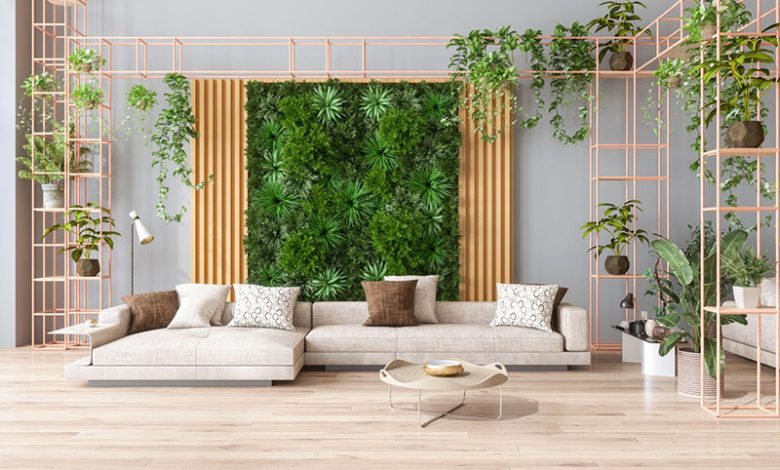
Building or renovating a home with sustainability in mind requires a thorough evaluation of every structural component. Flooring is one of the largest physical surfaces in any interior space, meaning the materials selected have a profound impact on both the global environment and indoor air quality. Conventional flooring options often rely on the depletion of old growth forests, energy intensive manufacturing processes, and synthetic adhesives that release volatile organic compounds into the living space.
The modern sustainable design sector offers high performance alternatives that minimize environmental degradation without sacrificing aesthetic appeal or durability. Choosing green flooring involves analyzing the entire lifecycle of a material, including how it is harvested, the energy required to manufacture it, its lifespan, and whether it can be recycled or biodegraded at the end of its utility.
Regenerative Hard Surface Solutions
For homeowners who desire the warmth and longevity of traditional hardwood floors, regenerative plant based materials provide an identical or enhanced level of durability while protecting vulnerable forest ecosystems.
Bamboo Flooring and Tensile Strength
Though often categorized with hardwoods, bamboo is actually a fast growing perennial grass. Traditional hardwoods like oak or maple require several decades to reach maturity before harvesting, whereas bamboo stalks mature in just three to five years. Harvesting bamboo does not kill the root system, meaning the plant completely regenerates itself without requiring replanting or soil disruption.
-
Strand Woven Technology: Early bamboo flooring was prone to scratching and moisture warping. Modern strand woven bamboo flooring solves this by shredding the bamboo fibers and compressing them with eco friendly resins under immense pressure. This engineering process yields a material that is twice as hard as traditional oak, making it highly resistant to dents, high foot traffic, and pet claws.
-
Carbon Sequestration: Because of its rapid growth cycle, bamboo captures and stores carbon dioxide at a significantly higher rate than standard trees, making it an excellent carbon negative material choice for structural surfaces.
Cork Flooring and Thermal Insulation
Cork is harvested from the bark of the cork oak tree, primarily found in the Mediterranean region. The harvesting process is uniquely sustainable because workers carefully strip the outer bark by hand without harming the tree itself. The tree continues to grow and regenerates its bark layer completely, allowing for subsequent harvests every nine years over a lifespan that can exceed two centuries.
-
Cellular Structure: Cork is composed of millions of microscopic, air filled hexagonal cells. This unique structural composition acts as a natural acoustic barrier, dampening impact noise between floors and reducing sound transmission within a room.
-
Natural Thermal Barrier: The air pockets within cork provide inherent thermal insulation. Cork floors retain ambient room temperature, feeling warm underfoot during cold seasons and reducing the energy load required to heat a home.
-
Suberin Properties: Cork contains a natural waxy substance called suberin. This compound repels insects, resists rot, and makes the material inherently hypoallergenic, preventing the accumulation of dust mites and mold spores.
Recycled and Reclaimed Material Innovations
Using materials that have already served a purpose prevents resource extraction and diverts substantial waste from entering municipal landfills.
Reclaimed Antique Hardwood
Reclaimed wood flooring is salvaged from old barns, retired factories, shipping pallets, and historical residential structures slated for demolition. Utilizing reclaimed wood completely eliminates the demand for logging new trees.
-
Aesthetic and Character: Reclaimed timber possesses a unique visual patina, including tight grain patterns, mineral stains, and natural weathering that cannot be replicated by new lumber. Because much of this wood was harvested from old growth forests centuries ago, the timber is structurally denser and more dimensionally stable than modern farm raised wood.
-
Architectural Preservation: Choosing reclaimed hardwood preserves historical architectural materials, keeping premium timber out of commercial waste streams while adding historical narrative to a modern home.
Recycled Glass and Composite Concrete Tiles
Terrazzo styles engineered from recycled post consumer glass and eco friendly concrete matrixes offer a highly durable, visually striking alternative to quarried stone or ceramic tiles.
-
Diverting Waste: These tiles integrate crushed glass fragments from discarded beverage bottles and windshields into a binding agent. This reduces the energy intensive mining of virgin stone aggregates.
-
Longevity: Once cured and polished, recycled glass composite flooring is completely non porous, scratch resistant, and capable of lasting the entire lifespan of the building with minimal maintenance.
Bio Based and Lower Impact Resilient Flooring
When open concept spaces require seamless, water resistant, and highly resilient flooring, traditional synthetic options like vinyl or linoleum are frequently considered. However, their environmental footprints differ drastically.
Authentic Linoleum versus Synthetic Vinyl
A common misconception is confusing modern luxury vinyl tile with authentic linoleum. Luxury vinyl tile is manufactured from polyvinyl chloride, a petroleum based plastic that releases toxic byproducts during production and cannot easily be recycled. Authentic linoleum is a completely natural, bio based product.
-
Natural Ingredients: Linoleum is manufactured from a mixture of solidified linseed oil harvested from flax plants, pine rosin, ground cork dust, wood flour, and natural mineral pigments, all pressed onto a durable burlap or jute fabric backing.
-
Biodegradability: Because it is composed entirely of organic components, linoleum does not off gas harmful synthetic chemicals and is completely biodegradable at the end of its life cycle, breaking down naturally without releasing toxins into the soil.
-
Self Healing Properties: Linoleum maintains a slight elasticity, meaning minor scratches or indentations can naturally swell and close over time, and the oxidation of the linseed oil causes the material to toughen and become more durable as it ages.
Poured BioPolymer Flooring
For ultra minimalist or industrial interior designs, seamless poured biopolymer floors provide an eco friendly alternative to traditional epoxy resins. These floors are crafted using vegetable oils, such as castor oil, combined with natural mineral fillers. They cure into a smooth, flexible, and completely seamless surface that is highly resistant to chemical spills and heavy impact, all while remaining completely free of volatile solvents.
Sustainable Sourcing Certifications and Air Quality
Identifying truly eco friendly flooring requires looking past marketing buzzwords and examining verified third party certifications to ensure the materials meet rigorous environmental and toxicological standards.
Forest Stewardship Council Verification
When purchasing any new wood flooring, look for the Forest Stewardship Council certification. This verification ensures the timber was harvested from responsibly managed forests that preserve biodiversity, protect water resources, sustain the local economy, and operate under strict zero illegal logging mandates.
Indoor Air Quality and Off Gassing Certifications
Many flooring products contribute heavily to indoor air pollution due to the adhesives, sealants, and finishes used during manufacturing and installation. To guarantee a healthy breathing environment, select products that hold certifications like FloorScore or Green Guard Gold. These seals certify that the flooring material has undergone strict environmental chamber testing and complies with ultra low emission limits for formaldehydes, heavy metals, and volatile organic compounds.
Frequently Asked Questions
Can eco friendly flooring options be installed over radiant floor heating systems?
Yes, many sustainable flooring options perform exceptionally well with radiant heating systems. Floating engineered bamboo, authentic linoleum, and concrete glass composites possess excellent thermal conductivity, allowing heat to transfer efficiently into the living space without warping or cracking. Cork can also be used, but due to its natural insulating properties, it acts as a thermal barrier, meaning it will take longer for the heat to penetrate into the room compared to thinner or denser materials.
How do I maintain and clean authentic linoleum without damaging its green properties?
Authentic linoleum should be cleaned using pH neutral cleansers specifically formulated for natural materials. Avoid aggressive high pH alkaline cleaners, ammonia, or excessive standing water, which can strip the protective linseed oil layer and cause discoloration. Regular sweeping and damp mopping with warm water and a mild vegetable based soap will preserve the floor for decades.
Is reclaimed wood flooring safe for households with young children and pets?
Reclaimed wood is completely safe, provided it has been properly processed. When sourcing reclaimed timber, ensure it has been kiln dried. This thermal process eradicates any deeply embedded wood boring insects, mold spores, and residual moisture without using toxic chemical fumigants. Additionally, verify that the installer uses water based, non toxic polyurethanes or natural oil finishes to seal the wood, ensuring zero chemical off gassing.
Why is traditional ceramic tile often considered less sustainable than recycled glass tile?
While ceramic tile is made from natural clay, its environmental drawback lies in the manufacturing process. Traditional ceramics require mining raw clay clays and firing them in commercial kilns at extremely high temperatures for extended periods, consuming massive amounts of fossil fuel energy. Recycled glass tiles utilize post consumer waste that requires lower melting temperatures, significantly reducing the carbon footprint associated with thermal manufacturing.
Does strand woven bamboo flooring contain harmful formaldehyde glues?
Historically, some imported bamboo products used cheap urea formaldehyde adhesives to bind the strands together. However, premium modern sustainable manufacturers utilize advanced, eco friendly alternative binders, such as phenol formaldehyde or completely formaldehyde free resins that comply with the strictest international emission standards, including California Air Resources Board regulations. Always check the product specifications for low or zero VOC compliance.
How does the cost of sustainable flooring compare to conventional options like laminate or standard carpet?
The initial material and installation cost of premium sustainable options like reclaimed wood, cork, or strand woven bamboo is generally higher than cheap synthetic laminate or nylon carpeting. However, when evaluating the total cost of ownership over time, eco friendly options are far more economical. Synthetic laminate and carpets typically require replacement every seven to ten years, whereas materials like cork, bamboo, and linoleum can easily last thirty to fifty years if properly maintained, saving money on future replacement and disposal costs.