How Foundation Repair Can Help Protect a Home Before Problems Spread
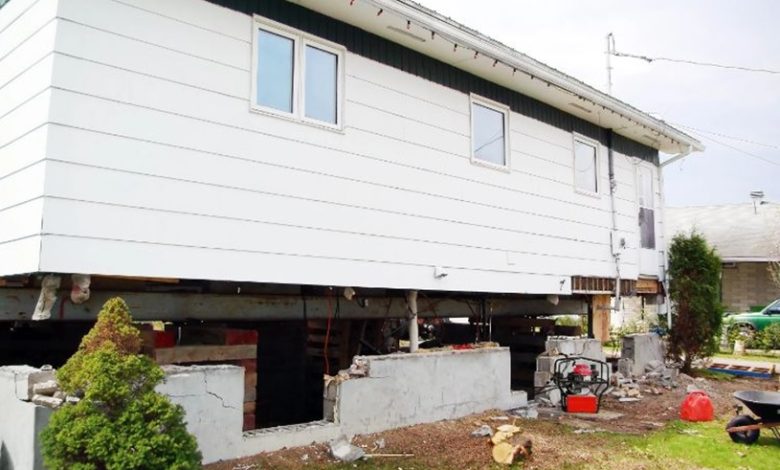
A home depends on its foundation to provide stable support for everything above it. When changes begin developing at the foundation level, the earliest signs may appear in unexpected places throughout the property. Cracks, sticking doors, uneven surfaces, or changes around walls and windows can raise questions about what is happening below. Professional foundation repair begins by identifying the cause of these changes and determining whether corrective work is necessary.
Homeowners who notice possible warning signs can research foundation repair companies in Canton Township to learn more about professional evaluation and available services. Because similar symptoms can develop for different reasons, an inspection is an important first step. The condition of the foundation, surrounding soil, drainage, moisture, and history of the property can all influence what type of solution may be appropriate.
Small Changes Around the House Can Be Worth Investigating
Foundation concerns do not always begin with one dramatic event.
Instead, homeowners may gradually notice small differences around the property. A door that once closed normally may begin rubbing against its frame. A window might become harder to operate. Cracks can appear around doorways, ceilings, walls, or other finished surfaces.
None of these signs automatically confirms a foundation problem. Homes contain many materials that expand, contract, settle, and change over time.
The important factor is whether changes are becoming more noticeable, appearing in several locations, or developing alongside visible foundation concerns. When multiple symptoms occur together, an evaluation can help determine whether they are connected.
Cracks Should Be Evaluated in Context
Cracking is one of the most recognizable reasons homeowners become concerned about foundations, but not every crack represents the same condition.
Professionals may consider where a crack is located, which direction it travels, how wide it is, and whether there appears to be displacement between the materials on either side. The construction of the foundation also matters.
Homeowners who discover cracks can document their appearance instead of immediately covering them with paint or another finish. Photographs and observations about when the cracks first appeared can provide useful information during an inspection.
If cracking appears to be changing quickly or is accompanied by other significant structural symptoms, professional evaluation should not be delayed.
Water Management Can Affect the Area Around a Foundation
Water around a home deserves attention because drainage conditions can influence the soil surrounding the foundation.
Gutters and downspouts are designed to direct roof runoff away from appropriate areas of the property. Grading can also influence whether water moves away from the house or collects nearby.
Landscaping changes, clogged gutters, damaged drainage components, or alterations to paved areas may affect these patterns.
Before planning foundation repair, it can be useful to examine how water behaves around the property. Correcting a foundation concern without addressing a contributing drainage problem may leave the surrounding conditions unchanged.
This is why a complete evaluation may include both the structure and the exterior environment.
Different Areas of the Home May Respond Differently
Foundation-related movement does not necessarily produce identical symptoms throughout an entire house.
One area may show cracks while another appears unchanged. Doors on one side of the property might begin sticking, while those elsewhere continue operating normally. Floors may feel different in specific rooms rather than across the whole house.
These variations are one reason homeowners should describe all the changes they have noticed during an inspection.
A professional can compare those observations with visible foundation conditions and measurements taken around the property.
Looking at the home as a complete structure provides more useful information than focusing exclusively on one isolated crack or doorway.
Previous Repairs Are Important Information
Older homes may have a history of foundation or drainage work completed by previous owners.
When available, records of these repairs can be valuable. They may show what areas were previously addressed, which methods were used, and whether modifications were made to drainage or structural components.
Homeowners purchasing a property can also review inspection reports and available maintenance records for references to previous concerns.
If new symptoms develop near an older repair, professionals should know about the property’s history before recommending additional work.
A previous repair does not necessarily mean another major problem has developed, but the information can help provide context during the evaluation.
Renovations Can Sometimes Hide Useful Warning Signs
Homeowners often want to repair interior cracks, repaint walls, or install new finishes as soon as visible damage appears.
However, completing cosmetic work before investigating the cause may hide information that could be useful during an inspection.
For example, repeatedly repairing drywall cracks without determining why they return may address appearance without resolving the underlying condition.
If homeowners suspect a foundation issue, it may be better to arrange an evaluation before beginning extensive cosmetic renovations.
Once necessary foundation repair has been completed and the appropriate monitoring period has passed, interior repairs can be planned with a better understanding of the property’s condition.
Foundation Problems Do Not Have One Universal Solution
Homes can have different foundation types, soil conditions, drainage patterns, and structural concerns. As a result, repair recommendations should be based on the individual property.
A method that is appropriate for one house may not address the conditions affecting another.
This is why diagnosis matters before discussing the repair itself. Homeowners should understand what the contractor believes is happening, which areas are affected, and what the recommended work is intended to accomplish.
They can also ask whether drainage improvements, crack repairs, structural stabilization, or other work is being proposed as part of the project.
Clear explanations can make it easier to compare recommendations and understand the scope of the work.
Waiting for Dramatic Damage Is Not a Good Inspection Strategy
Some homeowners hesitate to arrange an evaluation because the visible symptoms do not seem severe enough.
However, an inspection does not automatically mean extensive repairs will be recommended. Its purpose is to gather information and determine whether a problem exists.
Addressing concerns earlier may also provide more opportunities to monitor conditions and identify contributing factors before visible damage becomes more widespread.
Homeowners should pay particular attention when several changes appear around the same period or when existing cracks and operational problems noticeably progress.
Getting professional information can be more useful than trying to determine severity based on appearance alone.
Ask Questions Before Approving Repairs
A homeowner should understand a proposed project before work begins.
Useful questions can include which areas of the foundation are affected, what evidence supports the recommendation, how the proposed repair works, and whether other conditions around the property should also be addressed.
Homeowners can also ask how the project may affect landscaping, interior spaces, utilities, or access around the property.
After foundation repair is completed, it is helpful to understand what changes should be expected and whether any areas need continued monitoring.
A clear discussion before work begins can reduce uncertainty and help homeowners make decisions based on the condition of their property rather than fear of the visible symptoms.
Take Foundation Changes Seriously Without Assuming the Worst
Discovering cracks or changes around a home can be concerning, but these signs should be investigated rather than immediately interpreted as evidence of major structural failure. The most useful approach is to look at the entire property, including the foundation, drainage, soil conditions, interior changes, and history of previous repairs.
For homeowners considering foundation repair, Canton Foundation Repair Experts can evaluate visible concerns and help determine whether repairs are appropriate for the conditions affecting the property. Understanding what is causing the changes can provide a clearer path forward and help homeowners make informed decisions about maintaining the structure over time.