What Wine Cellar Designers in Seattle Focus on for Better Results
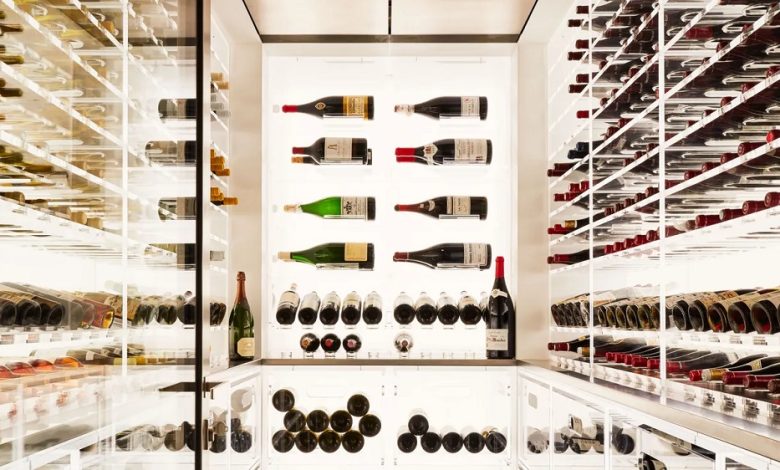
Where great wine rooms begin before a single bottle arrives
A wine cellar often starts as a simple idea. Someone wants a better place to store a collection. Then the vision grows into something more personal. The room becomes part storage space, part design feature, and part gathering point within the home. Wine cellar designers in Seattle guide many projects because every collection has different needs. A few shelves may work for one homeowner. A larger collection may require a completely different approach. The challenge is creating a room that feels practical without losing character.
Good planning helps avoid costly mistakes later. A wine room should support bottle protection, organization, and ease of use from day one. That is why design decisions deserve careful attention before construction begins. This guide explores the features that help create a cellar that feels natural inside the home. We will cover layout strategies, storage systems, environmental concerns, and design details that influence long-term success. A thoughtful cellar does more than hold bottles. It creates an experience every time the door opens. When all the elements work together, the room feels complete without trying too hard.
How to build a layout that feels natural and easy to use
The best layouts begin with daily habits. Some collectors enjoy browsing their bottles regularly. Others focus on long-term storage. Those habits influence how racks, aisles, and display areas should be arranged. A room that matches real usage patterns feels easier to enjoy. Planning for growth also matters because collections rarely stay the same size forever. Leaving room for future expansion can prevent major changes later.
Comfort should never be overlooked during the design stage. Narrow spaces can make bottle access difficult. Better spacing creates smoother movement throughout the room. Clear organization zones also improve usability. When bottles are grouped logically, finding specific selections becomes easier. A smart layout combines efficiency with visual appeal. That balance creates a room people actually enjoy spending time in.
- Create separate storage zones
- Leave space for collection growth
- Keep walkways comfortable and open
- Make frequently used bottles accessible
- Balance storage and display areas
What storage features help protect wine for the long term
Wine storage is about more than racks and shelves. Environmental stability plays a major role in protecting the collection. Temperature fluctuations can affect bottle quality. Humidity issues can create unnecessary problems. Proper storage systems help maintain conditions that support long-term aging. Every detail works together to create a safer environment.
Storage design should also simplify organization. Bottles should be easy to locate without constant rearranging. Label visibility can make daily use much easier. Dedicated display areas can highlight favorite selections while preserving accessibility. Good storage systems reduce clutter and improve efficiency. When storage works properly, the collection becomes easier to manage and enjoy.
- Maintain stable storage conditions
- Improve bottle visibility
- Create dedicated display sections
- Support easy inventory management
- Reduce unnecessary bottle handling
Why material choices shape the room’s personality and function
Materials influence more than appearance. They affect durability, maintenance, and the overall atmosphere of the cellar. Wood often creates warmth and familiarity. Glass can introduce a modern look. Metal brings clean lines and structure. Stone adds texture and depth. The right combination depends on the style of the home and the goals of the project.
Practical performance should remain part of every design decision. Attractive finishes should also hold up well over time. A material that looks beautiful but requires constant upkeep may become frustrating later. Smart design balances appearance with usability. When materials are selected carefully, the room feels intentional and cohesive. That feeling often separates average cellars from exceptional ones.
- Choose materials suited for cellar conditions
- Match finishes with home aesthetics
- Balance beauty and durability
- Create visual consistency throughout
- Consider long-term maintenance needs
What organization methods keep collections simple to manage
A growing collection can become difficult to track without a system. Bottles may end up scattered across different sections. Finding a specific vintage can take longer than expected. Organization helps prevent those issues. A clear structure makes storage more efficient and more enjoyable. Small planning decisions often create significant benefits later.
Collectors use many different methods to stay organized. Some sort by region. Others organize by wine type or drinking window. The best system is usually the one that remains easy to follow. Consistency matters more than complexity. An organized cellar saves time and supports better collection management. It also makes the room feel cleaner and more inviting overall.
- Organize by category or region
- Label sections clearly
- Track inventory consistently
- Review storage arrangements regularly
- Keep favorite bottles easy to find
What makes a wine cellar feel complete for years to come
The strongest cellar designs combine purpose and personality. Every element should support the collection while contributing to the room’s overall character. Layout, storage, climate control, and design details all play important roles. When these pieces work together, the result feels comfortable, practical, and lasting.
We believe a successful wine room should grow with the collection and remain enjoyable for years. The best projects begin with thoughtful planning and end with spaces that feel effortless to use. Take time to consider how the room will function today and in the future. That extra attention often creates the difference between simple storage and a wine cellar that truly feels at home.
