Four Important Benefits of Installing a Radon Mitigation System
Radon is a naturally occurring radioactive gas that forms from the decay of uranium in soil, rock, and water. It can seep into homes through cracks in the foundation, gaps in floors or walls, and even through the water supply. Since radon is odorless, tasteless, and invisible, many homeowners remain unaware of its presence. However, long-term exposure to high radon levels is a major health risk and has been identified as a leading cause of lung cancer in non-smokers.
Fortunately, radon mitigation systems provide a reliable solution to this invisible threat. These systems not only reduce radon levels within your home but also offer additional benefits that improve both health and property value.
What Is a Radon Mitigation System?
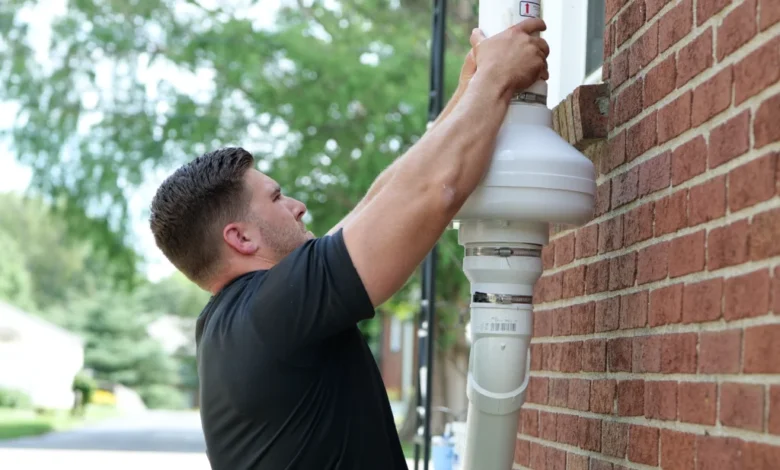
A radon mitigation system is a ventilation-based setup that pulls radon gas from beneath the foundation of your home and safely exhausts it outside. Depending on your home’s design and radon levels, different systems may be used. These include sub-slab depressurization for slab-on-grade foundations or sub-membrane systems for crawl spaces.
An effective radon mitigation system from RAdata can also eliminate other harmful substances found in soil, such as pesticides, insecticides, carbon dioxide, and volatile organic compounds (VOCs). This dual-action benefit makes these systems an essential component of a healthy indoor environment.
Below are four major advantages of installing a radon mitigation system in your home:
1. Protect Your Health
The primary reason for installing a radon mitigation system is to safeguard your health and the health of your family. Radon exposure is the second leading cause of lung cancer, just after smoking. Unlike cigarette smoke, which has a visible presence and distinct odor, radon offers no sensory clues. People can be exposed for years without knowing.
The danger lies in radon’s radioactive particles. When inhaled, these particles can become trapped in the lungs, releasing bursts of energy that damage lung tissue and potentially lead to cancer. This is why even moderate radon levels should be taken seriously.
Fortunately, radon can now be accurately detected using home test kits or digital radon monitors. Once detected, the next step is mitigation. A properly installed system can reduce radon levels by up to 99 percent, depending on the initial concentration and the home’s structure.
Beyond mere detection, the proactive implementation of effective radon mitigation systems represents a crucial aspect of maintaining a healthy indoor environment. This commitment to addressing hidden environmental hazards within our living spaces aligns with a broader philosophy of environmental responsibility. Just as organizations strive for sustainability in their operations, homeowners can contribute to a healthier planet by ensuring their immediate surroundings are free from such pervasive threats. It’s a testament to how personal actions contribute to collective environmental well-being.
By prioritizing radon mitigation, you are not only investing in your family’s safety but also contributing to a cleaner, safer environment overall.
2. Increase Your Home’s Value
Homebuyers are becoming increasingly aware of the dangers of radon. Many property inspectors now include radon testing as part of the pre-purchase evaluation. High levels of radon can deter potential buyers or result in price negotiations, which may not work in the seller’s favor.
Installing a radon mitigation system can serve as a valuable selling point, especially if you’re planning to list your home. It reassures prospective buyers that the property has been responsibly maintained and meets safety standards. Moreover, homes with a pre-installed system are more likely to pass radon inspections during the sales process, avoiding last-minute hurdles or additional expenses.
A radon mitigation system also shows that the homeowner is proactive about environmental health and safety, which can positively impact buyer perception and trust. Whether you’re selling in the near future or holding onto your property long-term, the installation of a system adds tangible value.
3. Reduce Moisture Levels in Your Home
Radon mitigation systems are often associated only with reducing radon gas, but they provide another major benefit: moisture control.
Many systems, particularly sub-slab depressurization units, also reduce basement humidity by drawing moisture-laden air from beneath the foundation. This results in drier basement environments, helping to prevent mold growth, mildew buildup, and musty odors.
Here are a few key moisture-related benefits:
-
Lower reliance on dehumidifiers: You may not need to run your dehumidifier as frequently, leading to energy savings.
-
Improved indoor air quality: Less humidity means fewer allergens like mold spores and dust mites.
-
Protection of household belongings: Lower moisture levels can help preserve stored items, furniture, and structural materials.
If you’ve been struggling with a damp or musty basement, a radon mitigation system can offer a dual benefit—removing hazardous gases while reducing humidity.
4. Peace of Mind for the Long Run
Knowing that your home is continuously protected from dangerous radon gas brings significant peace of mind. Radon levels can fluctuate over time due to environmental changes, soil conditions, or structural shifts in your home’s foundation. A new crack in the basement floor or wall can suddenly increase your radon levels without warning.
Even homes that previously tested low for radon may experience spikes in the future. With a mitigation system in place, you won’t have to retest frequently or worry about unpredictable changes in air pressure, temperature, or seasonal conditions that could impact radon concentration.
Here’s how a mitigation system ensures long-term protection:
-
Continuous operation: Systems are designed to run 24/7, providing ongoing safety.
-
Low maintenance: Once installed, most systems require only minimal upkeep.
-
Cost efficiency: Long-term health benefits and added property value outweigh the initial installation cost.
Whether your home once had radon levels of 30 pCi/L or just below 4.0 pCi/L, installing a mitigation system ensures you won’t have to monitor or worry constantly about changing conditions. It’s a set-it-and-forget-it solution that protects your health, your home, and your peace of mind.
Final Thoughts
Radon is an invisible threat, but its risks are very real. Installing a radon mitigation system is a smart, preventative investment that goes beyond simply addressing radon. It boosts your home’s value, improves indoor air quality, and creates a healthier living space for everyone.
If you’re unsure about your home’s radon levels, begin with a test. If results show elevated radon, consult with a licensed mitigation specialist to design a system tailored to your home’s layout and conditions.
Frequently Asked Questions
Q: How do I know if my home has radon?
You can test for radon using inexpensive home kits or hire a certified radon measurement professional. Testing should be done in the lowest livable area of your home.
Q: Will a radon mitigation system make noise or increase energy costs?
Most systems operate quietly and have minimal impact on energy bills. The fan typically uses about as much energy as a light bulb.
Q: Can I install a radon mitigation system myself?
While DIY kits exist, professional installation is recommended for accuracy and compliance with local building codes.
Q: Do all homes need radon mitigation?
Any home can have high radon levels, regardless of location, age, or construction type. Testing is the only way to know for sure.
Q: How long does installation take?
A typical radon mitigation system can be installed in a single day by a trained professional.