Faux Wood Walls: Raise Your Space Affordably
Key Takeaways
Offering the charm of real wood, faux wood walls are a cost-effective interior design choice for a range of environments.
With lower costs and minimal maintenance, faux wood emerges as a sensible alternative to traditional wood, which generally involves higher installation and ongoing care expenses.
Thanks to its versatility, faux wood pairs well with various design styles, from rustic charm to sleek modernity, enhancing the atmosphere of any room.
Preparation is key before installing faux wood walls, which includes selecting the right panel colors, cleaning surfaces thoroughly, and taking precise measurements.
Lastly, focusing on finishing touches like applying sealant and trim can greatly improve the overall look of faux wood wall installations.
Faux wood walls work well in both residential and commercial environments, helping create inviting spaces while reinforcing a strong brand identity.
Thanks to their ease of installation, homeowners can opt for DIY methods or hire experts, depending on their skills and desired results.
Transform Your Space: The Aesthetic Appeal of Faux Wood Walls
Faux wood walls are a game-changer, delivering the appearance and texture of genuine wood without the steep price. They can foster a welcoming atmosphere in any setting. The range of styles and finishes available is genuinely impressive. But why consider faux wood instead of traditional options? That’s a question worth exploring.
Why Choose Faux Wood Over Traditional Wood?
Interior design professionals often advocate for faux wood, and there are compelling reasons. First and foremost, the reduced cost stands out. Real wood can be quite expensive, particularly when factoring in installation and maintenance costs. In contrast, faux wood offers a budget-friendly alternative that doesn’t compromise on aesthetics.
Additionally, there are environmental considerations. The harvesting of natural wood can contribute to deforestation. Today’s consumers are increasingly aware of their environmental impact, leading them to sustainable options like faux wood. This choice benefits the planet and ensures a long-lasting installation. Smart homeowners recognize that durability is key.
“Choosing faux wood walls offers the look of luxury without breaking the bank.”
And there’s more. Faux wood is not only lightweight but also simple to install and comes in a variety of colors and textures. This opens up numerous design possibilities. Just think about it: how many options does genuine wood provide without straining budgets or limiting color choices?
Creating Atmosphere: Styles That Complement Any Room
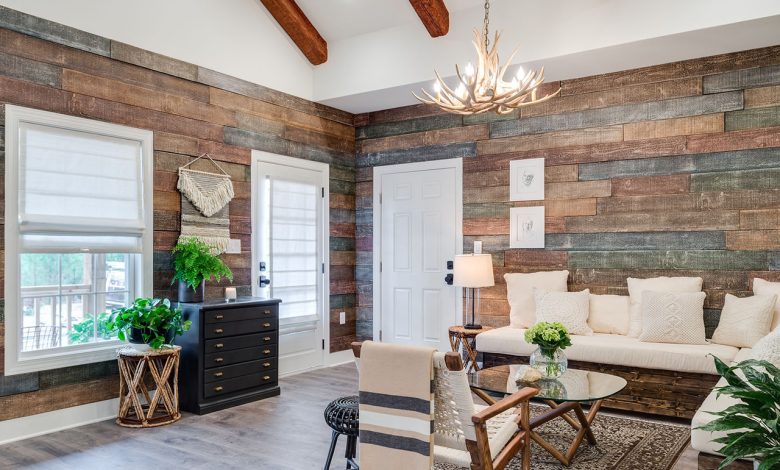
Faux wood walls are capable of creating any desired vibe, whether it’s a cozy rustic cabin feel or a sleek modern design. The secret lies in matching the style to the desired ambiance. Dark woods evoke warmth and coziness, while lighter tones can open up space, making it feel more expansive.
- Rustic: Weathered finishes lend a farmhouse ambiance.
- Modern: Light hues paired with sleek furniture create a contemporary vibe.
- Industrial: Combining faux wood with metal accents adds urban sophistication.
Consider the specific spaces involved. A faux wood accent wall in a living room can create a relaxing setting, while in a business environment, deeper tones can convey elegance and professionalism. The options are nearly limitless.
Cost-Effective Solutions: Budget-Friendly Faux Wood Options
Looking to maximize that budget while achieving stunning interiors? Faux wood paneling is the answer. Many businesses discover that the affordability of faux wood unlocks opportunities that traditional materials often restrict.
Analyzing Costs: Compare Faux Wood Paneling to Real Wood
When one compares faux wood paneling to real wood, the figures tell a convincing story. Real wood can range from hundreds to thousands of dollars per square foot. Meanwhile, faux wood panels typically cost only a fraction of that. This stark difference makes faux wood the favored choice for both homes and businesses. Consider the breakdown:
- Real Wood Costs: Installation and materials can exceed $30 per square foot.
- Faux Wood Costs: Materials typically range from $5 to $15 per square foot – significant savings!
- Maintenance Costs: Keeping real wood looking its best requires regular upkeep, whereas faux wood demands minimal care, providing clients with long-term savings.
The financial benefits can add up considerably. It’s easy to see that opting for an affordable alternative doesn’t equate to a loss in quality.
DIY vs. Professional Installation: What’s Best for Your Project?
Installing faux wood walls can certainly be a do-it-yourself project, but this brings about a common dilemma. Deciding between DIY and hiring professionals is prevalent. Going the DIY route offers cost savings and a sense of achievement. However, professionals often deliver a polished, high-quality result. Here are some considerations:
- Skill Level: DIY is best for those who are comfortable with tools and home improvement tasks.
- Time Investment: Professional installations are usually quicker and tidier.
- Quality: While DIY can yield decent results, professionals bring invaluable experience that guarantees excellence.
Often, consulting with professionals can provide clients with the insights needed to align decisions with project goals.
The Installation Process: Step-by-Step Guide to Faux Wood Walls
Once the choice is made, grasping the installation process becomes crucial. Knowing what lies ahead can streamline the entire experience. Surprisingly, it’s often simpler than what one might expect, particularly with faux wood. Here’s what to keep in mind.
Preparing Your Walls: Essential Pre-Installation Tips
Preparation is half the work. Clients should address these vital steps prior to installation:
- Choose the Right Panels: Select colors and finishes that align with the desired style.
- Clean the Surface: Ensure walls are free from dust, grease, or any debris.
- Measure Accurately: Precise measurements help avoid cutting errors and material waste.
With these steps followed, a smoother installation process is practically assured. Although installing faux wood walls isn’t rocket science, investing time in preparation pays off significantly.
Finishing Touches: Ensuring a Flawless Finish
Completing the installation is just the beginning; the finishing touches can enhance the overall presentation. Elements such as caulking seams, painting edges, and doing touch-ups can significantly improve the look of the installation. Here’s what to focus on:
- Sealant Application: A good sealant safeguards against moisture and boosts durability.
- Paint Touch-Ups: Look out for areas that might need a bit more attention.
- Crown Molding: Adding trim can elevate the overall aesthetics while concealing minor imperfections.
Pride in these details will shine through in the final appearance. An eye for detail can elevate a decent installation into something outstanding.
Real-World Applications: Faux Wood Walls in Action
Faux wood walls aren’t just confined to residential properties. Their versatility is apparent across various settings, where they enhance both ambiance and style. Clients often leverage this adaptability to navigate unique design challenges.
Residential Spaces: Adding Character to Homes
Today’s consumers aim to inject their personal style into living spaces, and faux wood walls are a great means to achieve that. In homes, they can set the mood for cozy gatherings or create functional environments, like home offices. The choices are wide-ranging, from a single accent wall to full-room installations.
- Living Rooms: Establish focal points using rich wood tones for warmth.
- Bedrooms: Soft, gentle finishes can create a serene atmosphere.
- Basements: Faux wood can soften cold, concrete areas, making them more inviting.
These examples highlight how faux wood walls can introduce personality and warmth into any residence.
Commercial Spaces: Enhancing Brand Identity with Style
For businesses, opting for faux wood walls can instill sophistication while reinforcing brand identity. Restaurants might incorporate rustic styles to evoke a sense of comfort, while retail spaces often use them to convey modernity or artisan craftsmanship. The commercial potential is impressive. Here are some examples:
- Restaurants: Use rustic designs to create appealing dining atmospheres.
- Offices: Introduce professionalism with stylish finishes.
- Showrooms: Showcase products beautifully with complementary design elements.
Faux wood walls provide comprehensive solutions that enhance brand identity while improving overall aesthetics.
As clients explore design options, faux wood walls frequently rise to the top as an optimal choice. With their affordability and versatility, they effortlessly create environments that are both attractive and functional. The benefits are clear – clients can achieve their desired atmosphere without compromise. So why delay transforming a space with faux wood walls?
FAQ
What types of faux wood materials are available?
A variety of faux wood materials are accessible in the market, including PVC panels, MDF board, and vinyl options. Each offers unique textures, finishes, and performance characteristics, enabling clients to find the perfect fit for their design aspirations.
How do faux wood walls perform in terms of durability and maintenance?
Faux wood walls generally showcase impressive durability. Unlike traditional wood, they resist warping and moisture, making them suitable for diverse environments. With minimal upkeep such as occasional cleaning, these walls remain visually appealing over the long term.
Can faux wood walls be used outdoors?
While most faux wood products are primarily designed for indoor environments, certain materials can withstand outdoor conditions. It’s advisable for experts to check the manufacturer’s specifications to ensure outdoor durability. Selecting the right product is key to ensuring longevity and performance in exterior spaces.
What are some creative ways to incorporate faux wood walls in design schemes?
Faux wood can be introduced in several innovative ways. Think about accent walls in cozy reading nooks, wall panels in reception areas to add a hint of elegance, or even incorporating faux wood ceilings for a dramatic touch. The possibilities truly extend beyond simple wall applications.
Are there eco-friendly faux wood options available?
Absolutely, eco-friendly faux wood options are increasingly on the market. Numerous manufacturers focus on sustainable materials and production practices to appeal to environmentally aware consumers. This not only lessens the ecological footprint but also aligns with modern design philosophies.
How do faux wood walls compare to wallpaper in terms of aesthetics and functionality?
Faux wood walls tend to offer a more substantial and textured look compared to wallpaper. They typically provide durability and a tactile experience that wallpaper struggles to match. Plus, faux wood adds warmth and depth to a space, enhancing the overall design aesthetics.
Can faux wood walls be painted or stained?
Certain faux wood panels can indeed be painted or stained, allowing for personalization. However, confirming material compatibility with specific products is essential to achieve the best results. A carefully chosen color or finish can significantly transform the overall appearance.
What is the average lifespan of faux wood walls?
The lifespan of faux wood walls depends largely on material type and installation quality. If installed and maintained properly, they can last many years – often exceeding a decade – without significant wear. This longevity further solidifies their status as a cost-effective design solution.
Useful Resources
- American Psychological Association (APA)
- NAIOP: Commercial Real Estate Development Association
- S. Department of Housing and Urban Development (HUD)
- Woodworking Network
- National Lumber
- North Carolina Architectural Foundation
- DIY Network
- HomeAdvisor
- Green Building Advisor
- S. Environmental Protection Agency (EPA)