Billerica’s Battle Against Bugs: A Homeowner’s Guide To Year-Round Pest Control
Understanding the Pest Landscape in Billerica
The Most Common Pests Found in Billerica Homes
Billerica, with its rich blend of suburban charm and wooded vistas, presents an ideal habitat for various pests that find their way into homes. Among the most prevalent are ants, particularly the odorous house ant, which tends to invade kitchens and pantries. These pests are often attracted to food sources, making early detection crucial. Additionally, termites pose a significant threat, especially to older homes, as they can silently consume wooden structures, leading to costly repairs. Rodents like mice and rats are also common in Billerica, capable of nesting in attics and walls, further complicating pest management. Other notable invaders include various types of spiders and occasional invasions of fruit flies during warmer months, which can quickly frustrate homeowners. Understanding these common pests and their habits is fundamental to effective pest control and management in Billerica.
Seasonal Changes: How They Affect Pest Activity
The New England climate brings about distinct seasonal changes that greatly influence pest activity in Billerica. In spring, as temperatures rise and vegetation begins to flourish, pests such as ants and mosquitoes emerge, seeking food and breeding grounds. Homeowners may notice an upsurge in ant sightings as colonies expand, often invading homes in search of sugar and proteins. Summer brings a peak in pest activity, particularly for mosquitoes and ticks, making outdoor events a concern, especially as these pests can carry diseases like Lyme Disease and West Nile Virus. As fall approaches, many pests seek shelter indoors to escape the impending cold, leading to heightened rodent activity as they search for warmth and food sources. Finally, winter provides a reprieve as many pests hibernate or die off. However, homeowners should remain vigilant, as conditions may enable pests like cockroaches and rodents to thrive indoors during colder months, making year-round pest management essential.
The Ecological Impact of Local Wildlife
Billerica’s location within a rich ecological tapestry means it is home to a variety of wildlife which, while beautiful, can contribute to pest issues. Wildlife such as raccoons, squirrels, and deer often encroach on residential areas, bringing with them pests like ticks and mites. These creatures can introduce health risks, as ticks are vectors for Lyme disease, among other ailments. Moreover, wildlife often facilitates the expansion of pest populations by providing food for rodents and other unwanted visitors. Additionally, the ecological balance is tipped when certain pest species proliferate unchecked, leading to potential harm to local flora and fauna. Therefore, a comprehensive pest control strategy in Billerica should not only address immediate pest issues but also consider long-term ecological impacts, merging practical pest management with wildlife conservation.
Preventative Measures: The Best Defense Against Infestations
Creating an Inhospitable Environment for Pests
Prevention is undeniably the best strategy when combating pest invasions. Creating an inhospitable environment involves a multi-faceted approach that addresses both the exterior and interior of homes. Start with sealing cracks and crevices around doors, windows, and foundations; these gaps are entry points for ants, spiders, and rodents. Additionally, keep gutters clean to prevent standing water, as stagnant water sources drawing mosquitoes can breed quickly. On the interior, regular cleaning practices such as vacuuming, especially in hard-to-reach areas like behind appliances, can remove potential food sources for pests. Storing food in airtight containers and maintaining a clutter-free living space also go a long way in denying pests the resources they need to thrive. Regular yard maintenance, including trimming hedges and removing debris, limits potential harborage areas, making your property less appealing to pests seeking shelter.
Natural Remedies: Harnessing Nature’s Power
Many homeowners in Billerica are turning to natural remedies as a safer, eco-friendly alternative to conventional pest control methods. Essential oils, particularly peppermint, tea tree, and lavender oils, are noted for their pest-repelling properties. For instance, a mixture of peppermint oil and water can serve as an effective deterrent against spiders and ants, as these insects disdain the strong scent. Diatomaceous earth, a natural powder derived from fossilized algae, can be sprinkled in areas with high pest activity, effectively dehydrating and killing soft-bodied insects like bed bugs and cockroaches. Additionally, encouraging natural predators, such as birds and beneficial insects, can help keep pest populations in check. Strategies such as planting native flora attract these beneficial species and promote biodiversity, ultimately providing a naturally balanced pest management system.
Expert Tips for Homeowners: DIY Pest-Proofing Strategies
For homeowners looking to take a proactive stance against pests, several expert strategies can be deployed. First, it is essential to conduct regular inspections of your home, looking for signs of pest activity such as droppings, gnaw marks, or nests. Utilizing traps such as sticky traps for monitoring insect activity can offer insights into specific infestations and enable early intervention. Additionally, homeowners should consider the use of barrier methods, such as installing door sweeps and window screens to prevent pest access. Pest-proofing the garden is equally crucial: rotating crops, using row covers, and using companion planting can minimize pest buildup, promoting healthier plants. Education is equally critical—keeping abreast of pest trends through local resources or cooperative extension programs will empower homeowners with knowledge that might assist in early detection and response.
Professional Pest Control: When to Call in the Experts
Choosing the Right Pest Control Service in Billerica
When preventative measures and DIY strategies are insufficient, it may be time to engage professional pest control services. However, selecting the right pest control in Billerica, MA, involves careful consideration. Start by researching local companies, focusing on those with solid online ratings and established reputations within the community. It’s pivotal to ensure that the service is licensed, insured, and utilizes eco-friendly methods where possible. Inquire about their treatment methods and ensure they align with your values, particularly if you seek non-toxic options. Testimonials and references can provide insights into their reliability and effectiveness in managing particular pest types. Ultimately, a good pest control service should offer a comprehensive inspection, will communicate transparently about treatment plans, and guarantee their services while addressing concerns about the safety of children and pets during treatments.
What to Expect During a Professional Treatment
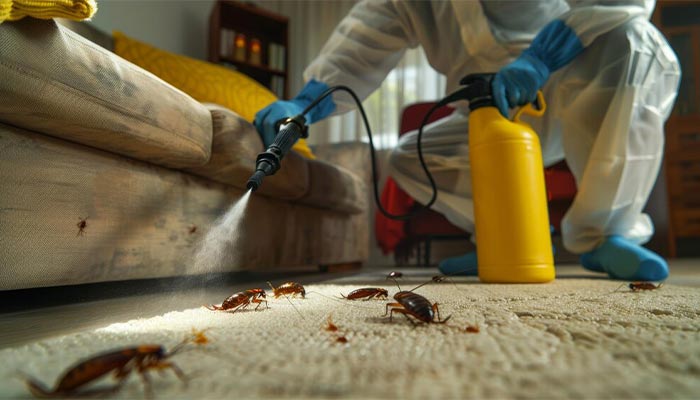
Understanding what to expect during the professional pest control process can help homeowners prepare and feel more at ease with the treatment. Typically, the first step involves a thorough inspection of the property, where the technician identifies pest issues and potential vulnerabilities. Following this, a detailed plan is presented outlining the treatments that will be employed, which may range from chemical applications to natural interventions, depending on the company and the nature of the infestation. During treatment, homeowners may notice some disruptions to their daily routine, depending on the chosen methods and areas being treated. Professionals will likely educate residents on necessary precautions, such as avoiding specific areas for a designated time or safely storing food and personal items. After treatment, many services include follow-up visits to assess the effectiveness of the plan and make adjustments as necessary, ensuring that the home’s pest issues are adequately addressed.
Evaluating the Effectiveness of Pest Control Solutions
Post-treatment evaluation is a vital part of ensuring long-term pest management effectiveness. Homeowners should stay vigilant and monitor for signs of pest activity after the professional service has concluded. Keeping a diary of sightings, droppings, or sounds can provide valuable data for further action. It’s also important to communicate with the pest control professionals; providing feedback on what was observed post-treatment can aid them in modifying strategies if needed. Some companies offer warranties or follow-up services, allowing for continued monitoring and assessment. Long-term prevention, which includes both maintaining a clean environment and making necessary repairs identified during inspections, will play a crucial role in sustaining the outcomes achieved through pest control services. When integrated correctly, pest control solutions become a partnership between the homeowner and the professionals, ultimately ensuring a pest-free environment.
Innovative Trends and Technologies in Pest Management
Sustainable Pest Control Options: An Eco-Friendly Approach
As environmental consciousness grows, sustainable pest control options have become increasingly popular in Billerica and beyond. Integrated Pest Management (IPM) is a leading approach that minimizes chemical use while maximizing effectiveness through a combination of biological, cultural, and mechanical control methods. This approach emphasizes prevention and focuses on understanding the life cycle of pests to determine the most effective interventions. Additionally, many eco-friendly pesticides derived from natural sources are now available, significantly reducing the harmful impact on non-target organisms and the environment. Moreover, education on native species, pollinators, and beneficial insects is fostering a deeper understanding of a balanced ecosystem. Homeowners can contribute to sustainability efforts by practicing environmentally friendly gardening methods and promoting habitats for beneficial wildlife.
Smart Technology: Monitoring and Managing Pests with Ease
Technology is revolutionizing pest management, offering innovative solutions for monitoring and controlling pest populations. Smart technology applications, such as remote monitoring sensors, enable real-time tracking of pest activities within the home. These devices can alert homeowners about infestations before they become extensive, allowing for quick responses. Moreover, automated traps that utilize Wi-Fi connectivity can provide data analytics on pest populations and help inform pest control strategies. Such technological advancements also contribute to reducing the reliance on harmful chemicals, optimizing usage according to real-time data. As smart homes become commonplace, integrating pest management into the home automation sphere represents the cutting edge of pest control, ensuring a proactive rather than reactive approach.
Future Trends: What’s on the Horizon for Pest Control Methods?
The future of pest control is poised for change with emerging technologies and methodologies that promise greater effectiveness and sustainability. One of the most exciting advancements is the potential for gene editing techniques, such as CRISPR, to reduce pest populations by modifying their reproductive capabilities. Additionally, the rise of biopesticides made from natural organisms and their derivatives signifies a shift towards environmentally responsible management solutions. The integration of artificial intelligence and machine learning is also enabling pest control services to analyze vast amounts of data for improved decision-making. These innovations, coupled with a growing emphasis on ecological integrity and public health, pave the way for an era in pest management that balances human needs with environmental stewardship.
FAQ
Question: What are the signs of a pest infestation? – Common signs include droppings, gnaw marks, nests, and unexplained damage to food or property. Regular inspections can help identify these signs early.
Question: How often should homeowners schedule pest control inspections? – It’s recommended to have professional pest control inspections at least once a year, with additional checks during peak pest activity seasons to catch potential issues early.
Question: Are natural pest control methods as effective as chemical treatments? – While natural methods can be effective for certain pests, they may not eliminate infestations as quickly as chemical treatments. A combination of both approaches often yields the best results.
Question: How can I tell if the pest control service is credible? – Look for licensed and insured companies with positive customer reviews and references. It’s also important to ask about their treatment methods, particularly their approach to safety and environmental impact.
Question: Can pests return after a treatment? – Yes, pests can return if the underlying causes are not addressed, such as entry points or food sources. Ongoing prevention and communication with your pest control service are key to maintaining a pest-free home.
Question: What should I do if I see pests after treatment? – If you notice pests after treatment, contact your pest control service immediately. They can assess the situation and make any necessary adjustments to the treatment plan.
Question: Are there any petsafe pest control options available? – Yes, many pest control services offer eco-friendly and pet-safe options. Always inquire about these alternatives if you have pets in your home.
Question: What role does regular yard maintenance play in pest control? – Regular yard maintenance helps eliminate potential pest habitats such as overgrown vegetation and debris. Keeping the yard clean and well-maintained makes it less inviting for pests to settle.
Useful Resources
- S. Environmental Protection Agency
- Centers for Disease Control and Prevention
- American National Standards Institute
- National Cooperative Extension System
- National Pest Management Association
- Royal Horticultural Society
- National Audubon Society
- Beyond Pesticides