Maximizing the Potential the Gooseberry Bush for Sale
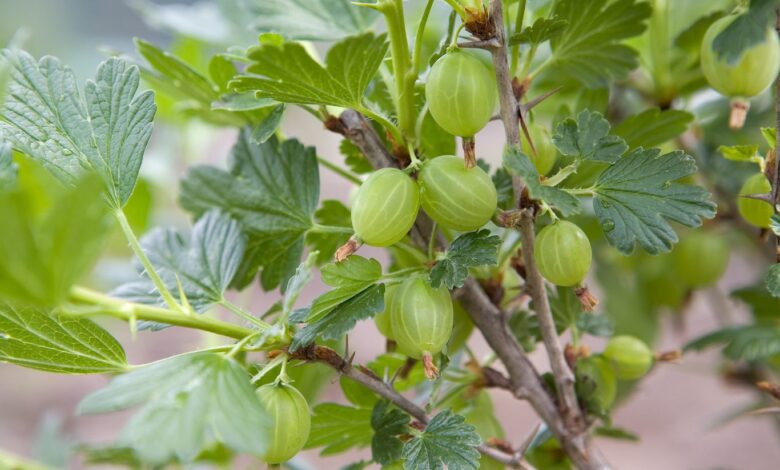
Gooseberry bushes are hardy plants that thrive in various soil conditions and climates typical of British gardens, making them accessible for both novice and experienced cultivators. To achieve optimal yields, attention to variety selection, planting methods, and ongoing care is essential. This approach ensures the bush remains productive over many seasons, often spanning a decade or more with proper management.
In the initial stages of establishing a gooseberry bush, selecting a suitable variety forms the foundation of success. Gardeners should prioritise cultivars resistant to common issues such as mildew, which can affect productivity in damp conditions prevalent in many regions. According to experts at an online fruit trees nursery, choosing mildew-resistant varieties enhances long-term health and reduces the need for chemical interventions; for instance, when sourcing gooseberry bushes, focus on those bred for robust growth in British soils. This advice underscores the importance of starting with quality stock to maximise potential output.
When considering additions to the garden, fruit trees for sale often include options for bushes like gooseberries, which integrate well into smaller spaces. Varieties such as Invicta provide heavy crops of green berries ideal for cooking, while Hinnonmaki Red offers sweeter fruits for eating fresh. Each type exhibits distinct characteristics in terms of flavour, size, and ripening time, allowing gardeners to tailor choices to their specific needs. Early-season varieties mature in June, extending the harvesting period when combined with mid- or late-season options. Disease resistance varies, with modern hybrids demonstrating improved tolerance to American gooseberry mildew, a fungal pathogen that causes powdery coatings on leaves and fruits.
In order to build a robust root system, soil preparation is essential. Gooseberries can withstand somewhat acidic conditions that are typical in highland regions, but they prefer well-drained, fertile soil with a pH between 6.0 and 6.5. Add organic material, like as compost or well-rotted manure, before planting to enhance structure and nutrient availability. Even though they are rare in the UK, dry spells can damage young plants, so this step helps them retain water. To avoid stem rot, dig a hole that is roughly twice as wide as the root ball and as deep. Make sure the bush is at the same level as it was in its nursery pot.
Planting typically occurs between October and March when the plant is dormant, minimising transplant shock. Space bushes at least 1.2 metres apart to allow air circulation, which deters fungal diseases. In exposed sites, staking may be necessary to support growth against prevailing winds. Water thoroughly after planting and apply a mulch layer of bark or straw to suppress weeds and conserve moisture. This initial care sets the stage for vigorous development in the first growing season.
Site Selection and Environmental Considerations
The location of a gooseberry bush significantly influences its performance. Full sun exposure for at least six hours daily promotes fruit set and ripening, though partial shade is acceptable in hotter southern regions where intense sunlight might scorch leaves. Shelter from strong winds protects blossoms and young fruits, particularly in coastal or elevated areas prone to gales. Proximity to a wall or fence can provide this protection while also offering warmth that hastens maturity.
Soil type further dictates suitability; heavy clay benefits from added grit for drainage, whereas sandy soils require more organic amendments to hold nutrients. Testing soil pH with a simple kit available from garden centres ensures compatibility. If adjustments are needed, lime raises pH for acidic soils, while sulphur lowers it for alkaline ones. These modifications should be made several months before planting to allow stabilisation.
Climate adaptation is another factor, as gooseberries are hardy to -15°C, suiting most UK zones. In northern Scotland or high altitudes, select cold-tolerant varieties to withstand frosts. Conversely, in milder southwestern areas, focus on those resistant to warmer, humid conditions that foster pests. By aligning the bush with local environmental traits, gardeners can enhance resilience and yield.
Integration with other garden elements also merits attention. Companion planting with herbs like chives or marigolds repels aphids, a common pest. Avoiding sites near potatoes or tomatoes reduces the risk of shared diseases such as blight. In allotment settings, positioning bushes along edges maximises space for vegetable crops while providing a natural barrier.
Pruning Techniques for Optimal Growth
Pruning maintains shape, encourages fruiting, and prevents overcrowding in gooseberry bushes. Annual pruning occurs in late winter, from January to March, when the plant is dormant and structure is visible. Remove dead, damaged, or crossing branches first to open the centre, improving light penetration and air flow. This reduces mildew incidence, a persistent issue in humid climates.
For bush forms, aim for an open goblet shape with 8-10 main branches. Cut back leaders by one-third to stimulate side shoots, where fruit develops on one-year-old wood. Summer pruning in July, trimming new growth to five leaves, directs energy to ripening berries and limits size in confined spaces. Cordons, trained against supports, require tying in shoots and shortening laterals to two buds.
Standards, elevated on a clear stem, demand similar care but with emphasis on head formation. Remove suckers from the base promptly to preserve form. Neglecting pruning leads to tangled growth and reduced yields, so consistent application is key. Tools should be sharp and sterilised to avoid disease transmission.
Over time, rejuvenation pruning revitalises older bushes. Every three to four years, cut out one-third of the oldest stems at ground level to promote fresh growth. This technique extends productivity, ensuring bushes remain viable for 15 years or more under ideal conditions.
Nutrient Management and Feeding Regimes
Fertilisation sustains vigorous growth and abundant fruiting. In spring, apply a balanced fertiliser high in potassium, such as sulphate of potash, to support berry development. A rate of 30 grams per square metre around the base, followed by watering, suffices for established plants. Organic alternatives like blood, fish, and bone meal provide slow-release nutrients, aligning with sustainable practices.
Monitor for deficiencies; yellowing leaves indicate nitrogen shortage, remedied by additional feeds. Over-fertilisation, however, causes lush foliage at the expense of fruit, so moderation is advised. Mulching annually replenishes organic matter, reducing the need for synthetic inputs.
Watering complements feeding, especially during dry periods. Young bushes require consistent moisture to establish roots, while mature ones tolerate drought better. Drip irrigation systems efficiently deliver water without wetting foliage, minimising fungal risks. In containers, check soil weekly, as pots dry faster than ground plantings.
Pest and Disease Control Strategies
Gooseberries face threats from pests like gooseberry sawfly, whose larvae defoliate bushes rapidly. Vigilant inspection from April onwards allows early intervention; hand-picking or biological controls like nematodes prove effective without chemicals. Aphids cluster on new shoots, distorting growth; encourage natural predators such as ladybirds or use insecticidal soaps if infestations persist.
Diseases include powdery mildew, manifesting as white patches. Resistant varieties mitigate this, but improving ventilation and avoiding overhead watering help. Botrytis grey mould affects fruits in wet weather; remove infected parts promptly and ensure good hygiene.
Birds pose another challenge, netting protects ripening berries. Install frames before fruits colour to deter blackbirds and thrushes common in British gardens. Integrated pest management, combining cultural, biological, and minimal chemical methods, maintains ecological balance.
Harvesting and Utilising the Crop
Timing harvest correctly maximises flavour and utility. Culinary varieties are picked green in early summer for cooking, while dessert types ripen to full colour for fresh consumption. Use secateurs to snip clusters, avoiding damage to spurs for next year’s crop.
Storage options include freezing whole berries for later use in pies or crumbles. Jams and cordials preserve the harvest, with recipes adapting to personal tastes. Nutritional benefits, rich in vitamin C and fibre, add value to home-grown produce.
Excess yields can be shared or sold locally, fostering community ties. In commercial contexts, though not typical for home gardeners, standards ensure quality for market.
Advanced Cultivation Methods
For enthusiasts, propagating from cuttings expands stock economically. Hardwood cuttings taken in autumn root readily in pots of gritty compost. Layering, bending branches to soil, produces new plants naturally. Container growing suits urban spaces, using large pots with drainage. Repot every few years to refresh soil. Hydroponic systems, though advanced, offer controlled environments for year-round interest.
Pollination, primarily by wind and insects, benefits from diverse plantings. Self-fertile varieties predominate, but cross-pollination boosts yields in some cases.
Integrating Gooseberries into Garden Design
Bushes serve ornamental purposes, with thorny stems deterring intruders along boundaries. Interplant with flowers for biodiversity, attracting pollinators. In permaculture designs, they form understorey layers beneath taller fruit trees for sale in mixed orchards.
Maintenance calendars guide tasks: spring feeding, summer pruning, autumn mulching. Record-keeping tracks performance, informing future adjustments.
Home cultivation reduces food miles, supporting sustainability. Cost savings accrue over time, with initial investments in plants recouped through harvests. When exploring fruit trees for sale, including bush options broadens choices for efficient land use. Biodiversity enhancement occurs as bushes provide habitats for wildlife. Carbon sequestration in perennial plants contributes to climate mitigation efforts.
Stunted growth often stems from poor soil; amend accordingly. Fruit drop signals stress from drought or nutrients; consistent care resolves this. Leaf curl indicates aphids; treat early. In severe cases, consult extension services for tailored advice. Prevention outperforms cure in maintaining health.
Breeding focuses on sweeter, thornless varieties for ease. Climate change prompts research into drought-resistant strains. Organic methods gain traction, aligning with consumer preferences. Community gardens promote sharing knowledge, expanding access. Online resources, including nurseries offering fruit trees for sale, facilitate learning.
Conclusion
Maximising a gooseberry bush’s potential requires integrated care from selection to harvest. By applying these principles, gardeners achieve bountiful, sustainable yields. This practice enriches both the table and the environment, embodying practical British horticulture.