Designing a Home Pilates Corner: Practical Tips for Singapore Homes
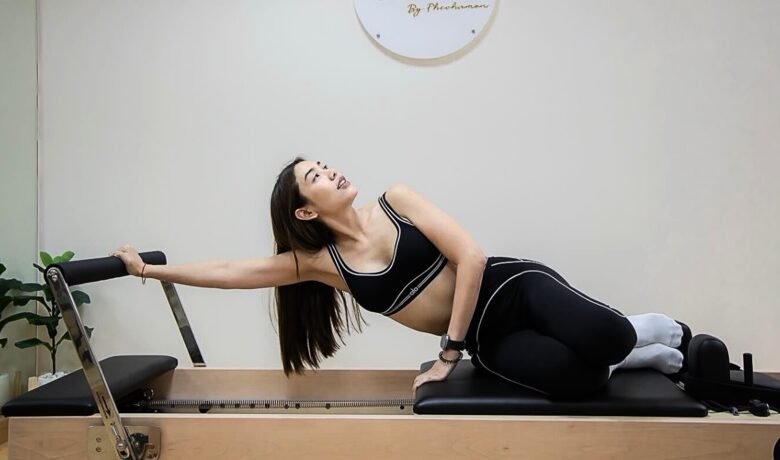
For many people in Singapore, finding time to attend regular studio classes can be challenging. Between busy work schedules and family responsibilities, convenience often becomes a deciding factor in fitness consistency. This is why creating a dedicated home space for pilates singapore is gaining popularity. A well-designed home Pilates corner allows individuals to practise comfortably without the stress of commuting, while also bringing a sense of calm and wellness into the household environment.
Why Create a Pilates Corner at Home
Exercising at home eliminates barriers such as travel time, scheduling conflicts, and overcrowded classes. More importantly, it allows Pilates practice to become an integrated part of daily life. Unlike setting aside time to visit a gym, a home corner provides immediate access whenever you need a quick session, making it easier to remain consistent.
Having a dedicated area also creates a psychological shift. When you step into your Pilates space, your mind associates it with focus, calm, and physical renewal. This separation from the rest of the home encourages discipline and builds long-term habit formation.
Space Planning in Compact Singapore Homes
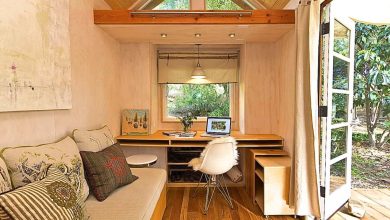
Apartments and HDB flats in Singapore often come with limited space, which makes careful planning crucial. The good news is that Pilates does not require large equipment or extensive square footage to be effective.
Tips for space planning include:
-
Choose a Quiet Corner: Select a space away from heavy foot traffic, such as a bedroom corner or balcony area.
-
Use Vertical Storage: Install wall hooks or shelves to store resistance bands, small weights, or yoga mats.
-
Foldable Furniture: If space is tight, use foldable mats or portable equipment that can be stored when not in use.
-
Natural Lighting: Position your Pilates corner near a window to create a calming atmosphere and enhance focus.
Essential Equipment for a Home Pilates Corner
Pilates can be practised with minimal equipment, but investing in a few essentials ensures variety and progression.
Recommended items include:
-
Pilates Mat: A thicker mat than standard yoga mats, providing proper cushioning for spinal support.
-
Resistance Bands: Lightweight and versatile, ideal for strength training and mobility exercises.
-
Pilates Ball: Adds challenge to balance work and improves core stability.
-
Foam Roller: Useful for muscle release, posture correction, and mobility training.
-
Reformer (Optional): If space and budget allow, a compact reformer brings studio-style workouts into the home.
Creating the Right Ambience
The environment of your Pilates corner is just as important as the equipment. A cluttered or noisy area can reduce focus and motivation.
Suggestions to set the mood include:
-
Declutter: Keep the space clean and free from distractions.
-
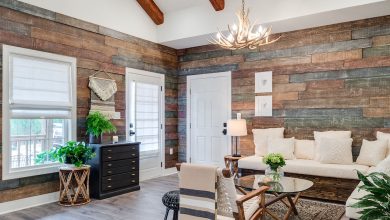
Soothing Colours: Soft, neutral colours such as beige, grey, or pastel tones promote relaxation.
-
Aroma and Sound: Light a calming candle or play soft instrumental music during sessions.
-
Personal Touches: Add plants, motivational quotes, or artwork that inspire you.
Building Consistency with Home Practice
Creating the space is only the first step. Consistency is what delivers results.
Practical tips to stay disciplined:
-
Set fixed times in your daily schedule for practice.
-
Begin with short sessions of 15–20 minutes before progressing to longer routines.
-
Mix in different exercises to prevent monotony.
-
Track your progress using a notebook or app to maintain motivation.
Balancing Home and Studio Practice
While a home Pilates corner offers convenience, it should ideally complement studio sessions rather than replace them entirely. Practising at home allows for flexibility, but studio sessions provide professional corrections, new routines, and community support. A balanced approach combines both, ensuring long-term growth and safety.
For structured studio-based guidance, Yoga Edition offers comprehensive Pilates programmes that can be complemented by at-home practice. By learning techniques in the studio and applying them at home, individuals maximise both convenience and accuracy.
Involving the Whole Family
A home Pilates corner does not need to be limited to one person. It can become a family wellness spot. Parents can introduce children to fun, balance-based exercises, while seniors can use low-impact routines to improve mobility. This transforms the Pilates corner into a shared space that strengthens both physical health and family bonds.
Cost-Effective Ways to Build Your Pilates Space
Not everyone needs to invest heavily to create an effective Pilates corner. Many household items can double as props. A chair can be used for balance exercises, cushions can replace Pilates balls in some routines, and towels can substitute resistance bands.
For those on a budget, gradual upgrades are more practical. Start with a mat and resistance band, then slowly add equipment as your practice evolves.
Long-Term Benefits of a Home Pilates Corner
The advantages of having a dedicated Pilates space go beyond convenience. Over time, the benefits include:
-
Consistency in practice due to easy accessibility.
-
Better mental focus as the space becomes a zone of calm.
-
Stronger family participation in health routines.
-
Cost savings compared to frequent gym memberships.
In addition, a home corner encourages mindfulness. Instead of associating your home only with work or chores, it becomes a place of healing and self-care.
FAQ on Creating a Home Pilates Corner
Q1. Do I need a large room to set up a Pilates corner?
No, even a small 2m x 2m space is enough for basic mat Pilates. Clever storage solutions make it possible in compact homes.
Q2. Is investing in a Pilates reformer necessary for home practice?
A reformer is optional. Many effective routines can be done with just a mat, resistance bands, and small props. Start simple before deciding on larger investments.
Q3. How can I stay motivated to practise at home regularly?
Set a clear schedule, track progress, and create an environment you enjoy. Motivation increases when your corner feels inviting and comfortable.
Q4. Can beginners start Pilates at home without guidance?
Yes, beginners can start with simple mat routines, but it is advisable to attend a few guided classes first to learn correct technique and avoid poor habits.
Q5. How do I balance family use of the Pilates corner with personal practice?
Design the space to be flexible. For example, use storage boxes for equipment and allow family members to use the area at different times. This encourages shared wellness without conflict.