Foundation Inspection in Broken Arrow Can Reveal Problems Before They Become Costly
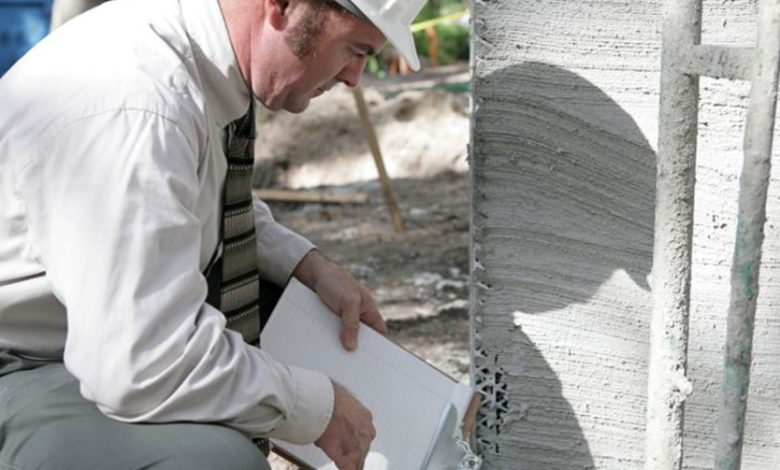
Foundation problems are not always easy to recognize when they first develop. A small wall crack, slightly uneven floor, or door that suddenly begins sticking may seem like an ordinary maintenance issue. However, changes throughout different parts of a home can sometimes indicate movement beneath the structure. Scheduling a professional foundation inspection in Broken Arrow can help homeowners understand what is happening and determine whether repairs or preventative measures should be considered.
If you have noticed changes around your foundation or elsewhere in your home, visiting brokenarrowfoundationrepairpros.com can help you explore professional foundation evaluation and repair options. An inspection provides an opportunity to look beyond visible symptoms and determine whether soil conditions, drainage, settlement, or another factor may be contributing to the problem.
Small Warning Signs Can Tell a Bigger Story
Foundation concerns often develop gradually rather than appearing overnight.
Homeowners may first notice cracks around windows and doors, gaps where walls meet ceilings, or flooring that no longer feels completely level. Doors that once operated smoothly may begin rubbing against their frames, while windows can become increasingly difficult to open or close.
Visible foundation cracks also deserve attention, especially when they grow or appear alongside other changes throughout the house. HUD’s foundation inspection standards identify cracks, unlevel floors, and windows or doors that do not function properly as indicators inspectors should consider when evaluating foundation conditions.
One symptom by itself does not necessarily mean major structural damage exists. The pattern and progression of multiple symptoms provide more useful information.
Oklahoma Soil Conditions Deserve Attention
The ground beneath a house has a direct relationship with foundation performance.
Oklahoma State University notes that shrink-swell soils are common in many parts of Oklahoma and can contribute to cracks in foundations and walls. It specifically recommends watching for cracking around windows and doors and consulting an expert when foundation problems are suspected.
Clay-rich soils are particularly important because they behave differently depending on moisture conditions. Clay holds water tightly and drains more slowly than sandy soils.
Periods of significant rainfall followed by extended dry conditions can therefore change the conditions surrounding a foundation. A professional foundation inspection in Broken Arrow can consider these environmental factors alongside visible structural symptoms.
What Happens During a Foundation Inspection?
A useful foundation evaluation should involve more than looking at one crack and deciding whether it needs to be filled.
The inspector may examine exposed portions of the foundation for cracking, displacement, or other visible deterioration. Interior walls and floors can provide additional clues about whether different areas of the structure have moved.
Doors and windows may also be considered because changes in alignment can sometimes accompany foundation movement.
Basements or crawl spaces, when present and safely accessible, can provide another perspective. These areas may reveal moisture, structural components, cracking, or other conditions that are not readily visible elsewhere.
The objective is to develop a more complete picture of the property rather than assuming every crack has the same cause.
Drainage Can Have a Major Influence
Water management should be considered during many foundation evaluations.
Roof runoff, poorly positioned downspouts, grading problems, and saturated soil can influence how moisture accumulates around a home. Oklahoma State University explains that drainage problems can result from combinations of soil properties, grading, slope, runoff, and excess water in the soil.
Downspouts can sometimes be connected to drainage systems that move roof runoff farther away from the foundation. The appropriate solution depends on the layout and drainage conditions of the individual property.
Homeowners can observe their property after heavy rainfall to identify obvious warning signs. Water consistently collecting near the foundation, erosion, overflowing gutters, and persistently soggy areas are all worth investigating.
Foundation Cracks Should Be Evaluated in Context
Finding a crack does not automatically mean an expensive structural repair is necessary.
Concrete can develop cracking for several reasons, including curing, settlement, moisture changes, and movement of the surrounding soil. What matters is understanding the characteristics of the crack and whether other structural symptoms are present.
A crack that remains unchanged for years presents a different situation from one that is visibly widening. Likewise, cracking accompanied by noticeably uneven floors, wall movement, or doors that suddenly stop closing properly deserves closer attention.
HUD standards recognize larger foundation cracks as potential structural concerns and include surrounding indicators such as unlevel floors and malfunctioning doors or windows in the inspection process.
Professional foundation inspection in Broken Arrow helps put these individual symptoms into context before repair decisions are made.
Early Evaluation Gives Homeowners More Options
One of the main advantages of investigating foundation concerns early is having time to understand the situation.
When homeowners wait until damage becomes severe, repairs may become more complicated. Continued movement can create additional cracking in drywall or masonry, affect flooring, and change how doors and windows fit within their openings.
Early evaluation does not necessarily mean repairs will be required immediately. Some conditions may simply need to be monitored, while others may benefit from drainage improvements or relatively localized repairs.
If structural stabilization is necessary, identifying the problem sooner gives homeowners more time to understand the recommended solution and plan accordingly.
Don’t Forget About Water Beneath the Home
Water underneath a house can deserve particular attention when the structure uses piers or has a crawl space.
Oklahoma State University notes that persistent water beneath a home can become problematic and recommends consulting qualified structural and drainage specialists when water conditions are accompanied by signs such as significant floor buckling or wall cracking.
This illustrates why foundation and drainage problems should not always be treated separately.
Removing visible water without understanding why it accumulates may result in the problem returning. Likewise, repairing structural damage without considering recurring moisture conditions could leave an important contributing factor unresolved.
Keep Track of Changes Around Your Home
Homeowners can support preventative foundation maintenance by periodically monitoring their property.
Existing cracks can be photographed and dated so changes are easier to recognize. After heavy rainfall or extended dry periods, homeowners can check whether new cracks have appeared or existing ones have noticeably changed.
Doors and windows provide additional reference points. If several suddenly become difficult to operate, the change is worth noting.
Exterior drainage should also be observed periodically. Gutters should remain clear, downspouts should function correctly, and significant water accumulation around the foundation should be investigated.
These simple habits can provide valuable information if a professional inspection becomes necessary later.
An Inspection Can Help You Plan Repairs Wisely
Foundation repair methods vary considerably depending on what is causing the problem.
A relatively minor crack may require one approach, while significant settlement or structural movement may require stabilization. Drainage problems could require separate improvements designed to control excess water around the property.
This is why diagnosis should come before selecting a repair.
A professional foundation inspection in Broken Arrow can help determine whether visible symptoms are related and which conditions should receive priority. Homeowners can then make decisions based on the actual condition of their property rather than attempting temporary fixes without understanding the underlying cause.
Protect Your Home Through Early Foundation Evaluation
Your foundation supports virtually every part of your home, making changes in its condition worth investigating. Cracks, uneven floors, sticking doors, moisture problems, and poor exterior drainage can provide important clues about what may be occurring beneath the structure. Scheduling a foundation inspection in Broken Arrow before these symptoms become severe can provide valuable information and help homeowners make informed decisions about maintenance and repairs.
When you need a professional foundation evaluation, Preferred Foundation Repair Broken Arrow can assess foundation concerns and help determine appropriate next steps for your property. Identifying potential problems early can make it easier to protect your home’s structural stability and plan repairs before damage becomes more extensive.